-
Table of Contents
Why You Shouldn’t Compare Yourself to Others
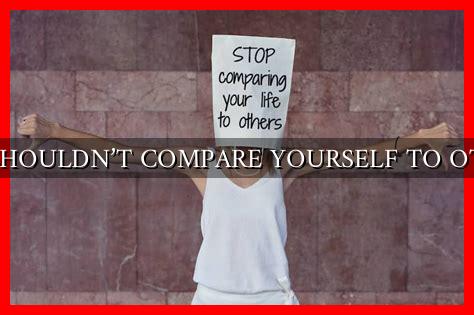
Comparison is a natural human tendency. We often find ourselves looking at others and measuring our own success, appearance, or achievements against theirs. However, constantly comparing yourself to others can have detrimental effects on your mental health and overall well-being. In this article, we will explore the reasons why you shouldn’t compare yourself to others and provide valuable insights on how to cultivate a healthier mindset.
The Dangers of Comparison
When you constantly compare yourself to others, you set yourself up for feelings of inadequacy, jealousy, and low self-esteem. Social media platforms exacerbate this issue by showcasing curated versions of people’s lives, leading to unrealistic expectations and a distorted sense of reality.

. Research has shown that excessive social comparison can contribute to anxiety, depression, and even physical health problems.
Case Study: Social Media and Mental Health
A study conducted by the Royal Society for Public Health in the UK found that social media platforms like Instagram have a significant impact on young people’s mental health. The study revealed that Instagram ranked the worst for mental health, with issues such as anxiety, depression, loneliness, and body image concerns being exacerbated by the platform. Constant exposure to idealized images and lifestyles can lead to feelings of inadequacy and a distorted self-perception.
Embrace Your Uniqueness
Instead of comparing yourself to others, focus on embracing your uniqueness and individuality. Recognize that everyone has their own strengths, weaknesses, and journey in life. Celebrate your accomplishments, no matter how small they may seem, and practice self-compassion. Remember that you are on your own path, and comparing yourself to others only hinders your personal growth and happiness.
Practice Gratitude
Cultivating a sense of gratitude can help shift your focus from what you lack to what you have. Take time each day to reflect on the things you are grateful for, whether it’s your health, relationships, or personal achievements. Gratitude has been linked to improved mental health, increased happiness, and a greater sense of well-being.
- Keep a gratitude journal and write down three things you are thankful for each day.
- Express gratitude to others through acts of kindness and appreciation.
- Focus on the present moment and savor the small joys in life.
Set Realistic Goals
Instead of comparing yourself to others, focus on setting realistic and achievable goals that align with your values and aspirations. Break down your goals into manageable steps and celebrate your progress along the way. Remember that success is subjective and unique to each individual. By setting your own benchmarks for success, you can cultivate a sense of fulfillment and purpose that is not dependent on external validation.
Case Study: The Power of Goal Setting
A study published in the Journal of Applied Psychology found that individuals who set specific, challenging goals were more likely to experience higher levels of performance and motivation. By setting clear goals that are personally meaningful to you, you can enhance your self-esteem and sense of accomplishment.
Conclusion
Comparing yourself to others is a common trap that can lead to negative emotions and hinder your personal growth. By embracing your uniqueness, practicing gratitude, and setting realistic goals, you can cultivate a healthier mindset and focus on your own journey. Remember that you are enough just as you are, and your worth is not defined by external standards. Celebrate your individuality and strive to be the best version of yourself.
For further reading on the topic of comparison and self-esteem, check out this article from Psychology Today.