

Table of Contents
What is Vitamin D Good For?
Vitamin D, often referred to as the “sunshine vitamin,” is a crucial nutrient that plays a vital role in various functions within the body.

. It is unique among vitamins because it can be synthesized by the body when the skin is exposed to sunlight. However, many people still do not get enough of this essential vitamin, leading to potential health issues. In this article, we will explore the benefits of vitamin D and why it is important for overall health.
1. Bone Health
One of the most well-known benefits of vitamin D is its role in maintaining strong and healthy bones. Vitamin D helps the body absorb calcium, which is essential for building and maintaining bone density. Without an adequate amount of vitamin D, calcium cannot be properly absorbed, leading to weakened bones and an increased risk of fractures and osteoporosis.
- Research has shown that vitamin D deficiency is associated with an increased risk of osteoporosis and fractures in older adults.
- Supplementation with vitamin D has been shown to improve bone mineral density and reduce the risk of fractures in individuals with low vitamin D levels.
2. Immune Function
Vitamin D also plays a crucial role in supporting the immune system. It helps regulate the immune response and can enhance the body’s ability to fight off infections and diseases. Studies have shown that vitamin D deficiency is associated with an increased risk of respiratory infections, autoimmune diseases, and other immune-related disorders.
- Research suggests that vitamin D may help reduce the risk of respiratory infections, such as the common cold and flu.
- Some studies have also shown that vitamin D supplementation can help improve symptoms in individuals with autoimmune diseases, such as multiple sclerosis and rheumatoid arthritis.
3. Mood and Mental Health
There is growing evidence to suggest that vitamin D may play a role in mood regulation and mental health. Low levels of vitamin D have been linked to an increased risk of depression, anxiety, and other mood disorders. Some studies have shown that vitamin D supplementation can help improve mood and reduce symptoms of depression.
- Research has found that individuals with low vitamin D levels are more likely to experience symptoms of depression and anxiety.
- Some studies have shown that vitamin D supplementation can help improve mood and reduce symptoms of depression in individuals with low vitamin D levels.
4. Heart Health
Emerging research suggests that vitamin D may also play a role in supporting heart health. Low levels of vitamin D have been associated with an increased risk of heart disease, high blood pressure, and other cardiovascular conditions. Some studies have shown that vitamin D supplementation can help improve cardiovascular health and reduce the risk of heart disease.
- Research has found that individuals with low vitamin D levels are at a higher risk of developing heart disease and high blood pressure.
- Some studies have shown that vitamin D supplementation can help improve cardiovascular health and reduce the risk of heart disease in individuals with low vitamin D levels.
Summary
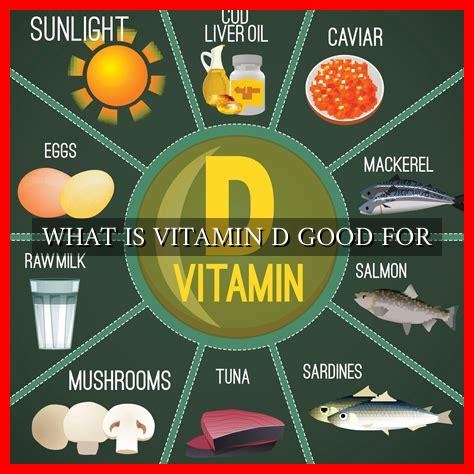
In conclusion, vitamin D is a crucial nutrient that plays a vital role in various functions within the body. From supporting bone health and immune function to promoting mood and heart health, vitamin D is essential for overall well-being. It is important to ensure that you are getting an adequate amount of vitamin D through sunlight exposure, diet, and supplementation if necessary. By prioritizing your vitamin D intake, you can help support your health and reduce the risk of various health conditions.
For more information on the benefits of vitamin D, you can visit the Healthline website.
