

Table of Contents
What is Fexofenadine and How Does It Work?
Fexofenadine is a widely used antihistamine medication primarily prescribed for the relief of allergy symptoms. It is particularly effective in treating seasonal allergic rhinitis, commonly known as hay fever, and chronic urticaria, which is characterized by hives. This article delves into the mechanisms of action, uses, side effects, and important considerations regarding fexofenadine.
Understanding Fexofenadine
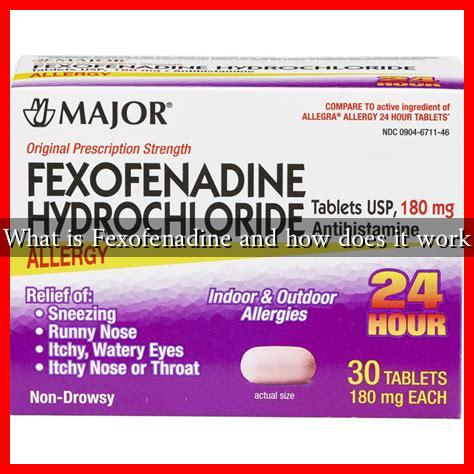
Fexofenadine is a second-generation antihistamine that was developed as a non-sedating alternative to first-generation antihistamines like diphenhydramine. It is marketed under various brand names, including Allegra, and is available in both prescription and over-the-counter forms.
How Fexofenadine Works
The primary action of fexofenadine is its ability to block the H1 histamine receptors in the body. Histamine is a chemical released during allergic reactions, leading to symptoms such as sneezing, itching, and runny nose. By inhibiting the action of histamine, fexofenadine effectively alleviates these symptoms.
Mechanism of Action
Fexofenadine works through the following mechanisms:
- Selective H1 Receptor Antagonism: Fexofenadine selectively binds to peripheral H1 receptors, preventing histamine from exerting its effects.
- Minimal Blood-Brain Barrier Penetration: Unlike first-generation antihistamines, fexofenadine does not readily cross the blood-brain barrier, which significantly reduces the risk of sedation.
- Rapid Onset of Action: Fexofenadine typically begins to work within one hour of ingestion, providing quick relief from allergy symptoms.
Uses of Fexofenadine
Fexofenadine is primarily used for:
- Seasonal Allergic Rhinitis: It helps relieve symptoms such as sneezing, runny nose, and itchy eyes caused by pollen and other allergens.
- Chronic Urticaria: Fexofenadine is effective in managing chronic hives, reducing itching and the appearance of welts on the skin.
According to a study published in the Journal of Allergy and Clinical Immunology, fexofenadine has been shown to significantly improve quality of life for patients suffering from allergic conditions.
Side Effects and Considerations
While fexofenadine is generally well-tolerated, some individuals may experience side effects. Common side effects include:
- Headache
- Drowsiness (though less common than with first-generation antihistamines)
- Nausea
- Dizziness
It is essential to consult a healthcare provider before starting fexofenadine, especially for individuals with pre-existing health conditions or those taking other medications. Fexofenadine should be taken with water, as fruit juices like grapefruit or orange can interfere with its absorption.
Case Studies and Statistics
Research has shown that fexofenadine is effective in managing allergy symptoms. A clinical trial involving over 1,000 participants demonstrated that fexofenadine significantly reduced nasal congestion and other allergy symptoms compared to a placebo. Furthermore, a meta-analysis published in the British Journal of Clinical Pharmacology found that fexofenadine had a favorable safety profile, with adverse effects occurring in less than 5% of patients.
Conclusion
Fexofenadine is a powerful and effective antihistamine that provides relief from allergy symptoms without the sedative effects commonly associated with first-generation antihistamines. Its selective action on H1 receptors and minimal penetration of the blood-brain barrier make it a preferred choice for many individuals suffering from allergies. As with any medication, it is crucial to use fexofenadine under the guidance of a healthcare professional to ensure safety and efficacy.
In summary, fexofenadine stands out as a reliable option for managing allergic conditions, improving the quality of life for countless individuals. Understanding how it works and its potential side effects can empower patients to make informed decisions about their allergy management.
