

Table of Contents
What are the Long-Term Benefits of Work-Life Balance?
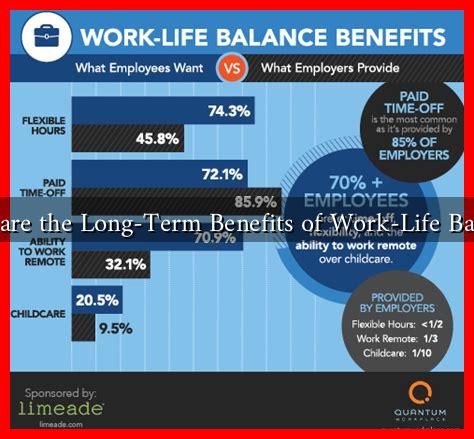
In today’s fast-paced world, the concept of work-life balance has gained significant attention. As employees strive to juggle their professional responsibilities with personal commitments, organizations are beginning to recognize the importance of fostering a healthy work-life balance. This article explores the long-term benefits of achieving a harmonious balance between work and personal life, highlighting its impact on individuals, organizations, and society as a whole.
Understanding Work-Life Balance
Work-life balance refers to the equilibrium between an individual’s professional obligations and personal life. It encompasses various aspects, including time management, stress reduction, and overall well-being. Achieving this balance is crucial for maintaining mental and physical health, enhancing productivity, and fostering a positive workplace culture.
Long-Term Benefits for Individuals
Individuals who prioritize work-life balance experience numerous long-term benefits, including:
- Improved Mental Health: A balanced lifestyle reduces stress and anxiety, leading to better mental health outcomes. According to a study published in the Journal of Occupational Health Psychology, employees with a healthy work-life balance report lower levels of burnout and depression.
- Enhanced Physical Health: Individuals who maintain a work-life balance are more likely to engage in physical activities, eat healthily, and prioritize sleep. The World Health Organization emphasizes that good mental health is closely linked to physical well-being.
- Stronger Relationships: Balancing work and personal life allows individuals to spend quality time with family and friends, fostering stronger relationships. A study by the American Psychological Association found that individuals with better work-life balance report higher satisfaction in their personal relationships.
- Increased Job Satisfaction: Employees who feel they have a good work-life balance are more likely to be satisfied with their jobs. This satisfaction can lead to lower turnover rates and higher employee retention.
Long-Term Benefits for Organizations
Organizations that promote work-life balance not only benefit their employees but also see significant advantages in their operations:
- Higher Productivity: Employees who maintain a healthy work-life balance tend to be more productive. A study by the Gallup Organization found that engaged employees are 17% more productive than their disengaged counterparts.
- Reduced Absenteeism: Companies that support work-life balance often experience lower absenteeism rates. Employees are less likely to take sick days when they feel balanced and supported.
- Attracting Talent: Organizations that prioritize work-life balance are more attractive to potential employees. A survey by Glassdoor revealed that 56% of employees consider work-life balance an important factor when evaluating job offers.
- Positive Company Culture: A focus on work-life balance fosters a positive workplace culture, leading to improved morale and collaboration among employees.
Societal Impact of Work-Life Balance
The benefits of work-life balance extend beyond individuals and organizations; they also have a profound impact on society:
- Economic Growth: A healthier workforce contributes to economic growth. When employees are productive and engaged, they contribute more effectively to the economy.
- Reduced Healthcare Costs: Improved mental and physical health leads to lower healthcare costs for both individuals and society. A healthier population reduces the burden on healthcare systems.
- Stronger Communities: Individuals with a good work-life balance are more likely to engage in community activities, volunteer, and contribute positively to society.
Conclusion
In conclusion, the long-term benefits of work-life balance are profound and far-reaching. For individuals, it leads to improved mental and physical health, stronger relationships, and increased job satisfaction. For organizations, it results in higher productivity, reduced absenteeism, and a positive workplace culture. Finally, the societal impact includes economic growth, reduced healthcare costs, and stronger communities. As we continue to navigate the complexities of modern work, prioritizing work-life balance is essential for fostering a healthier, more productive society.
