

Table of Contents
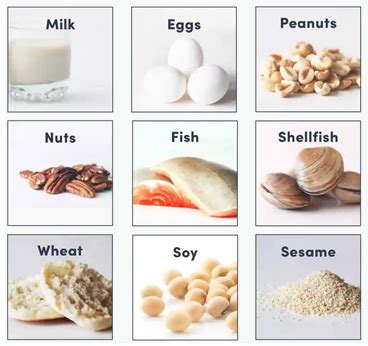
Top 9 Food Allergens
Food allergies affect millions of people worldwide, with some of the most common allergens causing severe reactions in individuals. Understanding these allergens is crucial for those with allergies and for food service providers to ensure the safety of their customers. In this article, we will explore the top 9 food allergens, their prevalence, symptoms, and how to manage them.
1. Peanuts
Peanuts are one of the most common food allergens, affecting both children and adults. Symptoms of a peanut allergy can range from mild itching to severe anaphylaxis, which can be life-threatening. It is important for individuals with peanut allergies to read food labels carefully and avoid foods that may contain peanuts.
2. Tree Nuts
Tree nuts, such as almonds, walnuts, and cashews, are another common allergen. People with tree nut allergies may experience symptoms similar to those with peanut allergies. Cross-contamination is a significant concern, so individuals with tree nut allergies should be cautious when dining out.
3. Milk
Milk allergies are common in children but can also affect adults. Symptoms of a milk allergy can include hives, stomach cramps, and vomiting. Many processed foods contain milk or milk products, so individuals with milk allergies must be vigilant about reading labels.
4. Eggs
Egg allergies are prevalent in children but can be outgrown in some cases. Symptoms of an egg allergy can range from mild to severe, including difficulty breathing and swelling of the face. Individuals with egg allergies should avoid foods containing eggs, such as baked goods and certain sauces.
5. Wheat
Wheat allergies are common, especially in children. Symptoms of a wheat allergy can include hives, nausea, and difficulty breathing. Individuals with wheat allergies should avoid foods containing wheat, such as bread, pasta, and cereals.
6. Soy
Soy allergies are becoming more prevalent, with symptoms ranging from mild itching to severe anaphylaxis. Soy is a common ingredient in many processed foods, so individuals with soy allergies must be cautious when choosing what to eat.
7. Fish
Fish allergies are common and can cause severe reactions in some individuals. Symptoms of a fish allergy can include swelling of the face, difficulty breathing, and vomiting. Individuals with fish allergies should avoid all types of fish and be cautious when dining out.
8. Shellfish
Shellfish allergies are prevalent, with symptoms ranging from mild itching to severe anaphylaxis. Cross-contamination is a significant concern, so individuals with shellfish allergies should be cautious when dining out.
9. Sesame
Sesame allergies are on the rise and can cause severe reactions in some individuals. Symptoms of a sesame allergy can include hives, stomach cramps, and difficulty breathing. Individuals with sesame allergies should be cautious when choosing foods, as sesame is a common ingredient in many dishes.
Conclusion
Food allergies are a serious health concern that affects millions of people worldwide. Understanding the top 9 food allergens, their symptoms, and how to manage them is crucial for individuals with allergies and for food service providers. By being aware of these allergens and taking necessary precautions, we can help ensure the safety and well-being of those with food allergies.
For more information on food allergies and how to manage them, visit Food Allergy Research & Education.

