Table of Contents
Northern Lights Forecasting: Tips for Travelers
The Northern Lights, or Aurora Borealis, are one of nature’s most breathtaking phenomena, captivating travelers from around the globe. However, witnessing this celestial display requires careful planning and a bit of luck. This article provides essential tips for travelers looking to maximize their chances of experiencing the Northern Lights, along with insights into forecasting techniques and resources.
Understanding the Northern Lights
The Northern Lights occur when charged particles from the sun collide with gases in the Earth’s atmosphere, creating vibrant displays of color. These lights are most commonly seen in high-latitude regions near the Arctic Circle, including countries like Norway, Sweden, Finland, Canada, and Alaska.
Optimal Timing for Viewing
Timing is crucial when planning a trip to see the Northern Lights. Here are some key factors to consider:
- Season: The best time to view the Northern Lights is during the winter months, typically from late September to early April.

. The long nights and clear skies during this period increase your chances of a sighting.
- Time of Night: The lights are usually most active between 10 PM and 2 AM. Planning your outings during these hours can enhance your chances of witnessing the phenomenon.
- Weather Conditions: Clear skies are essential for visibility. Check local weather forecasts and aim for nights with minimal cloud cover.
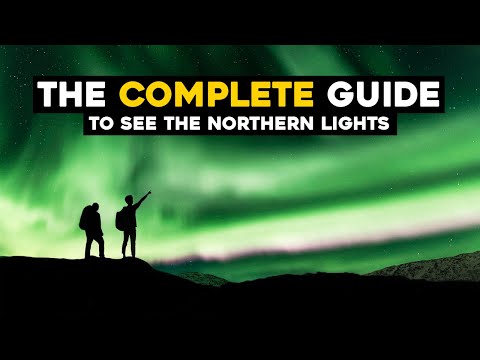
Forecasting the Northern Lights
While the Northern Lights are unpredictable, several forecasting tools can help travelers plan their trips more effectively. Here are some resources to consider:
- Space Weather Prediction Center (SWPC): This NOAA service provides real-time data on solar activity and auroral forecasts. Their website offers a 3-day aurora forecast, which can be invaluable for travelers.
- Aurora Alerts: Apps like “My Aurora Forecast” and “Aurora Alerts” send notifications when auroral activity is high in your area, allowing you to be ready to step outside at a moment’s notice.
- Local Tour Operators: Many local guides and tour companies specialize in Northern Lights excursions. They often have access to the latest forecasts and can adjust their tours based on real-time conditions.
Choosing the Right Location
Not all locations are created equal when it comes to viewing the Northern Lights. Here are some top destinations known for their auroral displays:
- Tromsø, Norway: Located above the Arctic Circle, Tromsø is often referred to as the “Gateway to the Arctic” and offers numerous tours and activities centered around the Northern Lights.
- Yellowknife, Canada: Known for its clear skies and minimal light pollution, Yellowknife is one of the best places in North America to see the Aurora Borealis.
- Reykjavik, Iceland: With its unique landscapes and accessibility, Reykjavik is a popular base for Northern Lights tours, especially during the winter months.
Tips for a Successful Viewing Experience
To enhance your chances of witnessing the Northern Lights, consider the following tips:
- Dress Warmly: Temperatures in Northern regions can plummet at night. Layer your clothing and wear insulated boots, gloves, and hats to stay comfortable.
- Be Patient: The Northern Lights can be elusive. Be prepared to wait for extended periods, and consider bringing snacks and hot drinks to keep your spirits up.
- Find Dark Locations: Light pollution can hinder visibility. Seek out dark areas away from city lights for the best viewing experience.
Conclusion
Experiencing the Northern Lights is a bucket-list adventure for many travelers. By understanding the science behind the auroras, utilizing forecasting tools, choosing optimal locations, and preparing adequately, you can significantly increase your chances of witnessing this stunning natural display. Remember to stay patient and enjoy the journey, as the Northern Lights are as much about the experience as they are about the sight itself. For more information on aurora forecasting, visit the NOAA Space Weather Prediction Center.