

Table of Contents
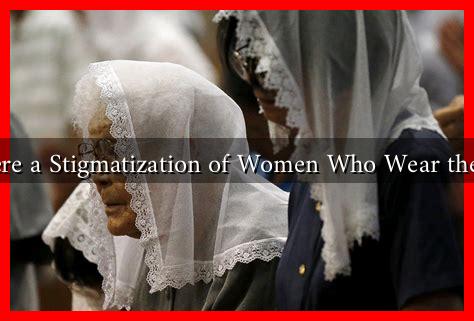
Is There a Stigmatization of Women Who Wear the Veil?
The veil, a garment worn by many Muslim women, has been a subject of intense debate and discussion in various societies. While it is often seen as a symbol of faith and identity, it can also be a source of stigmatization. This article explores the complexities surrounding the stigmatization of women who wear the veil, examining societal perceptions, cultural implications, and the impact on women’s lives.
The Veil: A Symbol of Faith or Oppression?
The veil, which includes various forms such as the hijab, niqab, and burqa, is worn by millions of women around the world. For many, it is a personal choice and a reflection of their religious beliefs. However, in some contexts, it is viewed as a symbol of oppression. This dichotomy often leads to stigmatization, where women who choose to wear the veil face discrimination and prejudice.
Societal Perceptions and Stereotypes
Women who wear the veil often encounter negative stereotypes that can lead to stigmatization. These perceptions are shaped by various factors, including media representation, political discourse, and cultural misunderstandings. Some common stereotypes include:
- Oppression: Many people associate the veil with a lack of freedom and autonomy, assuming that women who wear it are forced to do so.
- Extremism: The veil is sometimes linked to radicalism, leading to the belief that women who wear it may hold extremist views.
- Backwardness: In some societies, wearing the veil is seen as a rejection of modernity and progress.
These stereotypes can have real-world consequences, affecting women’s opportunities in education, employment, and social interactions.
Case Studies: The Impact of Stigmatization
Several case studies illustrate the impact of stigmatization on women who wear the veil:
- France: In 2010, France became the first European country to ban the full-face veil in public spaces. This law was justified by the government as a measure to promote secularism and gender equality. However, it disproportionately affected Muslim women, leading to increased stigmatization and social isolation.
- United States: A 2017 study by the Institute for Social Policy and Understanding found that Muslim women who wear the hijab reported higher levels of discrimination compared to those who do not. Many faced verbal harassment and were often treated with suspicion in public spaces.
- Canada: In 2015, a debate arose over the right of women to wear the niqab during citizenship ceremonies. The controversy highlighted the stigmatization faced by Muslim women and sparked discussions about multiculturalism and religious freedom.
Statistics on Stigmatization
Research indicates that stigmatization of women who wear the veil is prevalent in many societies. Some key statistics include:
- A 2018 survey by the Pew Research Center found that 62% of Americans believed that wearing a hijab was a sign of extremism.
- In Europe, a 2019 report by the European Union Agency for Fundamental Rights revealed that 55% of Muslim women reported experiencing discrimination due to their religious attire.
These statistics underscore the need for greater awareness and understanding of the challenges faced by women who wear the veil.
Combating Stigmatization: A Path Forward
Addressing the stigmatization of women who wear the veil requires a multifaceted approach:
- Education: Promoting awareness about the diversity of experiences among Muslim women can help dispel myths and stereotypes.
- Media Representation: Encouraging positive portrayals of women who wear the veil in media can challenge negative stereotypes.
- Policy Changes: Governments should consider policies that protect the rights of women to wear religious attire without facing discrimination.
Conclusion
The stigmatization of women who wear the veil is a complex issue rooted in societal perceptions, cultural misunderstandings, and political discourse. While the veil can be a symbol of faith and identity for many, it is often misinterpreted, leading to discrimination and prejudice. By fostering education, promoting positive media representation, and implementing supportive policies, society can work towards reducing stigmatization and empowering women to express their identities freely.
For further reading on this topic, you can explore resources from organizations such as the Human Rights Watch and the Pew Research Center.
