

Table of Contents
How to Balance Risks in Freelancing vs Traditional Employment
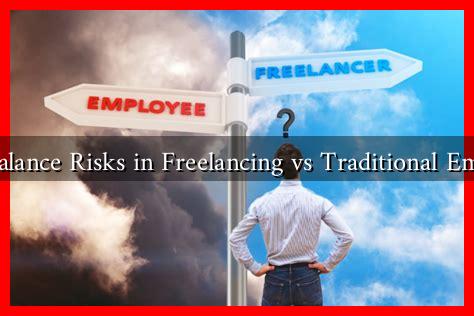
In today’s dynamic job market, the choice between freelancing and traditional employment is more relevant than ever. Each path offers unique opportunities and challenges, and understanding how to balance the associated risks is crucial for making an informed decision. This article explores the risks inherent in both freelancing and traditional employment, providing insights and strategies to help individuals navigate their career choices effectively.
Understanding the Risks of Freelancing
Freelancing has gained popularity due to its flexibility and potential for higher earnings. However, it comes with its own set of risks:
- Income Instability: Freelancers often face fluctuating income, making financial planning challenging. According to a survey by Upwork, 60% of freelancers reported income variability as a significant concern.
- Lack of Benefits: Unlike traditional employees, freelancers typically do not receive health insurance, retirement plans, or paid leave, which can lead to financial strain.
- Client Dependence: Freelancers may become overly reliant on a few clients, which can be risky if those clients decide to cut ties.
- Isolation: Working independently can lead to feelings of loneliness and disconnection from a professional community.
The Risks of Traditional Employment
While traditional employment offers stability, it is not without its risks:
- Job Security: Economic downturns can lead to layoffs, leaving employees vulnerable. A report from the Bureau of Labor Statistics indicates that job security is a growing concern among workers.
- Limited Flexibility: Traditional jobs often come with rigid schedules and less control over work-life balance, which can lead to burnout.
- Career Stagnation: Employees may find themselves in roles with limited growth opportunities, leading to dissatisfaction.
- Office Politics: Navigating workplace dynamics can be challenging and may impact job satisfaction and performance.
Strategies for Balancing Risks
To effectively balance the risks associated with freelancing and traditional employment, consider the following strategies:
Diversify Income Streams
Whether freelancing or employed, diversifying income can mitigate financial risks:
- Freelancers can take on multiple clients or projects to ensure a steady flow of income.
- Traditional employees can explore side gigs or freelance work to supplement their income.
Invest in Professional Development
Continuous learning is essential in both freelancing and traditional employment:
- Freelancers should invest in skills that are in high demand, such as digital marketing or coding.
- Employees can seek training programs or certifications to enhance their career prospects.
Build a Strong Network
A robust professional network can provide support and opportunities:
- Freelancers should engage with other freelancers and potential clients through platforms like LinkedIn or industry-specific forums.
- Employees can participate in networking events and professional associations to connect with peers and mentors.
Establish a Financial Safety Net
Creating a financial cushion is vital for both freelancers and employees:
- Freelancers should aim to save at least three to six months’ worth of living expenses to weather income fluctuations.
- Employees can build an emergency fund to cover unexpected job loss or expenses.
Conclusion
Choosing between freelancing and traditional employment involves weighing various risks and rewards. By understanding the unique challenges of each path and implementing strategies to mitigate those risks, individuals can make informed decisions that align with their career goals and personal circumstances. Whether you opt for the flexibility of freelancing or the stability of traditional employment, the key is to remain adaptable and proactive in managing your career journey.
