

Table of Contents
How is Amoxicillin Administered in Hospitals?
Amoxicillin is a widely used antibiotic that belongs to the penicillin group of drugs. It is effective against a variety of bacterial infections, making it a staple in hospital settings. Understanding how amoxicillin is administered in hospitals is crucial for healthcare professionals and patients alike. This article explores the various methods of administration, dosage considerations, and the importance of monitoring during treatment.
Methods of Administration
In hospitals, amoxicillin can be administered through several routes, depending on the patient’s condition, the severity of the infection, and the healthcare provider’s judgment. The primary methods include:
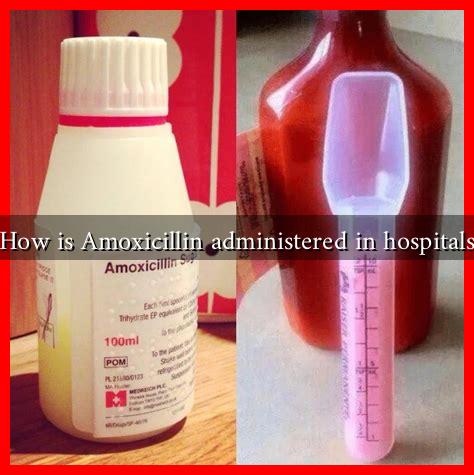
- Oral Administration: Amoxicillin is often given in tablet or liquid form. This method is suitable for patients who can swallow and are not experiencing severe symptoms.
- Intravenous (IV) Administration: For patients with severe infections or those who cannot take oral medications, amoxicillin can be administered via IV. This method allows for rapid absorption and immediate therapeutic effects.
- Intramuscular (IM) Injection: In some cases, amoxicillin may be given as an IM injection, particularly when IV access is not available.
Dosage Considerations
The dosage of amoxicillin varies based on several factors, including the type of infection, the patient’s age, weight, and renal function. The following guidelines are typically followed:
- Adults: The usual dose ranges from 250 mg to 500 mg every 8 hours or 500 mg to 875 mg every 12 hours, depending on the severity of the infection.
- Children: Pediatric dosing is often calculated based on weight, typically ranging from 20 mg/kg to 90 mg/kg per day, divided into two or three doses.
- Renal Impairment: Dosage adjustments are necessary for patients with renal impairment to prevent toxicity.
Healthcare providers often refer to established guidelines, such as those from the Centers for Disease Control and Prevention (CDC), to determine appropriate dosing.
Monitoring and Side Effects
Monitoring patients receiving amoxicillin is essential to ensure efficacy and safety. Healthcare professionals should be vigilant for potential side effects, which may include:
- Allergic reactions (e.g., rash, itching, anaphylaxis)
- Gastrointestinal disturbances (e.g., nausea, diarrhea)
- Superinfection due to antibiotic resistance
Regular monitoring of renal function and liver enzymes may also be necessary, especially in patients with pre-existing conditions. In some cases, healthcare providers may perform blood tests to assess the patient’s response to treatment.
Case Studies and Statistics
Several studies have highlighted the effectiveness of amoxicillin in treating various infections. For instance, a study published in the Journal of Antimicrobial Chemotherapy found that amoxicillin was effective in treating community-acquired pneumonia in children, with a success rate of over 90% when administered appropriately.
Statistics from the World Health Organization (WHO) indicate that antibiotic resistance is a growing concern, with amoxicillin being one of the most commonly prescribed antibiotics. This underscores the importance of appropriate administration and monitoring to mitigate resistance development.
Conclusion
Amoxicillin remains a cornerstone in the treatment of bacterial infections in hospital settings. Its administration can be tailored to meet the needs of individual patients, whether through oral, IV, or IM routes. Understanding dosage considerations and the importance of monitoring can significantly enhance treatment outcomes. As antibiotic resistance continues to pose a challenge, healthcare providers must remain vigilant in their prescribing practices to ensure the continued efficacy of amoxicillin and other antibiotics.
In summary, the effective administration of amoxicillin in hospitals involves a comprehensive approach that includes selecting the appropriate route, determining the correct dosage, and closely monitoring patients for side effects and treatment efficacy. By adhering to established guidelines and remaining informed about the latest research, healthcare professionals can optimize patient care and combat the threat of antibiotic resistance.
