

Table of Contents
How Does Loratadine Work in the Body?
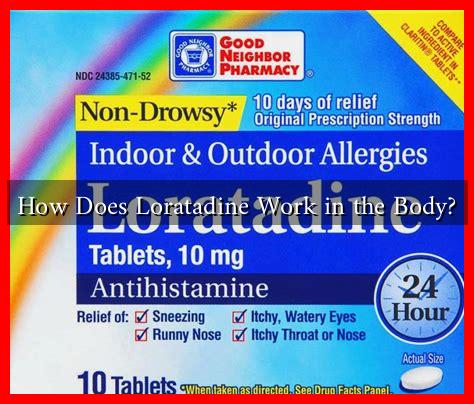
Loratadine is a widely used antihistamine that provides relief from allergy symptoms such as sneezing, runny nose, and itchy eyes. As a second-generation antihistamine, it is known for its effectiveness and minimal sedative effects compared to first-generation antihistamines. This article delves into the mechanisms of action of loratadine, its pharmacokinetics, and its clinical applications.
The Mechanism of Action of Loratadine
Loratadine primarily works by blocking the action of histamine, a chemical released by the immune system during allergic reactions. When allergens enter the body, histamine is released from mast cells and basophils, leading to various symptoms. Loratadine acts as a selective antagonist of the H1 histamine receptor, which is responsible for mediating allergic responses.
- Histamine Release: Upon exposure to allergens, histamine is released, causing blood vessels to dilate and leading to symptoms like swelling and redness.
- H1 Receptor Blockade: Loratadine binds to H1 receptors, preventing histamine from exerting its effects, thereby alleviating symptoms.
- Reduced Inflammation: By inhibiting histamine action, loratadine also helps reduce inflammation associated with allergic reactions.
Pharmacokinetics of Loratadine
Understanding how loratadine is absorbed, distributed, metabolized, and excreted in the body is crucial for its effective use. Here’s a breakdown of its pharmacokinetics:
- Absorption: Loratadine is rapidly absorbed after oral administration, with peak plasma concentrations occurring within 1 to 2 hours.
- Distribution: It is widely distributed throughout the body and can cross the blood-brain barrier, although its sedative effects are minimal.
- Metabolism: Loratadine is metabolized in the liver by cytochrome P450 enzymes, primarily CYP3A4 and CYP2D6, into its active metabolite, desloratadine.
- Excretion: The drug and its metabolites are primarily excreted in urine and feces, with a half-life of about 8 to 14 hours.
Clinical Applications of Loratadine
Loratadine is primarily used to treat allergic rhinitis and chronic urticaria (hives). Its effectiveness and safety profile make it a popular choice among healthcare providers. Here are some common clinical applications:
- Allergic Rhinitis: Loratadine is effective in relieving symptoms such as sneezing, runny nose, and itchy eyes caused by pollen, dust mites, and pet dander.
- Chronic Urticaria: It helps manage chronic hives, reducing itching and the appearance of welts on the skin.
- Seasonal Allergies: Many patients use loratadine as a preventive measure during allergy seasons.
According to a study published in the *Journal of Allergy and Clinical Immunology*, loratadine significantly improved quality of life for patients suffering from allergic rhinitis, demonstrating its efficacy in real-world settings.
Side Effects and Considerations
While loratadine is generally well-tolerated, some individuals may experience side effects. Common side effects include:
- Headache
- Dry mouth
- Fatigue
- Gastrointestinal disturbances
It is essential for patients to consult healthcare providers before starting loratadine, especially if they are pregnant, nursing, or taking other medications that may interact with it.
Conclusion
Loratadine is a powerful antihistamine that effectively alleviates allergy symptoms by blocking the action of histamine in the body. Its pharmacokinetic properties ensure that it provides quick relief with minimal sedation, making it a preferred choice for many individuals suffering from allergies. Understanding how loratadine works can empower patients to make informed decisions about their allergy management. For more information on loratadine and its uses, you can visit the National Center for Biotechnology Information.
