

Table of Contents
Fluoxetine and Alcohol: Is it Safe to Mix?
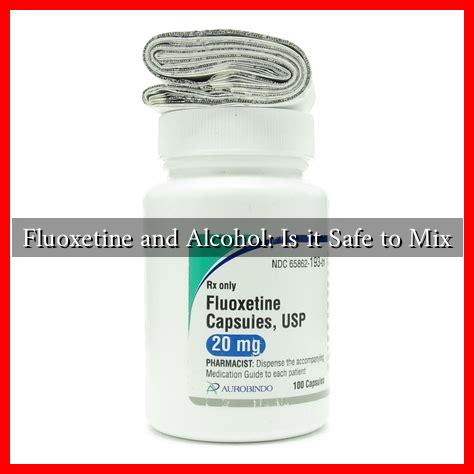
Fluoxetine, commonly known by its brand name Prozac, is a selective serotonin reuptake inhibitor (SSRI) widely prescribed for depression, anxiety disorders, and other mental health conditions. While many individuals find relief from their symptoms through this medication, questions often arise regarding the safety of mixing fluoxetine with alcohol. This article delves into the potential risks and considerations associated with combining these substances.
Understanding Fluoxetine
Fluoxetine works by increasing the levels of serotonin in the brain, a neurotransmitter that plays a crucial role in mood regulation. It is typically prescribed for:
- Major depressive disorder
- Obsessive-compulsive disorder (OCD)
- Panic disorder
- Bulimia nervosa
- Premenstrual dysphoric disorder (PMDD)
While fluoxetine can be effective in managing these conditions, it is essential to understand how it interacts with other substances, particularly alcohol.
The Effects of Alcohol on Mental Health
Alcohol is a central nervous system depressant that can exacerbate symptoms of depression and anxiety. Regular consumption can lead to:
- Increased feelings of sadness or hopelessness
- Worsening anxiety symptoms
- Impaired judgment and decision-making
- Increased risk of substance abuse
For individuals taking fluoxetine, these effects can be particularly concerning. Alcohol may counteract the benefits of the medication, leading to a cycle of worsening mental health.
Potential Risks of Mixing Fluoxetine and Alcohol
Combining fluoxetine with alcohol can lead to several adverse effects, including:
- Increased Side Effects: Both fluoxetine and alcohol can cause drowsiness, dizziness, and impaired coordination. When taken together, these effects may be amplified, increasing the risk of accidents.
- Reduced Effectiveness of Medication: Alcohol can interfere with the therapeutic effects of fluoxetine, potentially leading to a resurgence of depressive or anxious symptoms.
- Risk of Serotonin Syndrome: Although rare, combining alcohol with fluoxetine may increase the risk of serotonin syndrome, a potentially life-threatening condition characterized by high levels of serotonin in the brain.
Case Studies and Statistics
Research indicates that individuals taking SSRIs, including fluoxetine, are at a higher risk of alcohol-related problems. A study published in the Journal of Clinical Psychiatry found that patients on SSRIs were more likely to engage in heavy drinking compared to those not on medication. Furthermore, a survey conducted by the National Institute on Alcohol Abuse and Alcoholism (NIAAA) revealed that approximately 30% of individuals with depression also struggle with alcohol use disorders.
Guidelines for Safe Use
Given the potential risks, it is crucial for individuals taking fluoxetine to consider the following guidelines:
- Consult Your Doctor: Always discuss alcohol consumption with your healthcare provider. They can provide personalized advice based on your health history and treatment plan.
- Limit Alcohol Intake: If you choose to drink, do so in moderation. The Centers for Disease Control and Prevention (CDC) defines moderate drinking as up to one drink per day for women and up to two drinks per day for men.
- Monitor Your Symptoms: Pay attention to how your body reacts when consuming alcohol while on fluoxetine. If you notice increased side effects or worsening mental health, seek medical advice immediately.
Conclusion
Mixing fluoxetine and alcohol poses significant risks that can undermine the effectiveness of treatment and exacerbate mental health issues. While some individuals may feel tempted to drink while on medication, it is essential to prioritize mental well-being and consult healthcare professionals for guidance. By understanding the potential dangers and adhering to safe practices, individuals can make informed decisions about their health and treatment.
In summary, the combination of fluoxetine and alcohol is not advisable due to the potential for increased side effects, reduced medication effectiveness, and heightened risk of serious health complications. Always prioritize open communication with healthcare providers to ensure the best outcomes in managing mental health conditions.
