

Table of Contents
Eritrea: A Nation of Resilience and Complexity
Eritrea, a small country located in the Horn of Africa, is often overlooked in discussions about African nations. However, its rich history, diverse culture, and complex political landscape make it a significant player in regional dynamics. This article delves into the various facets of Eritrea, exploring its history, culture, economy, and the challenges it faces today.
A Brief Historical Overview
Eritrea’s history is marked by colonization, conflict, and a struggle for independence. The region was first colonized by Italy in the late 19th century, leading to significant infrastructural development but also oppression of the local population. After World War II, Eritrea was federated with Ethiopia, but tensions soon escalated, leading to a protracted war for independence that lasted from 1961 to 1991.
In 1993, Eritrea finally gained independence, becoming a sovereign nation.

. However, the joy of independence was short-lived as the country faced internal and external challenges, including a border war with Ethiopia from 1998 to 2000. This conflict has had lasting implications on Eritrea’s political and social landscape.
Cultural Diversity and Heritage
Eritrea is home to a rich tapestry of cultures and ethnic groups, with nine recognized ethnicities, including the Tigrinya, Tigre, and Saho. This diversity is reflected in the country’s languages, traditions, and festivals. The official languages are Tigrinya and Arabic, with English also widely spoken.
- Traditional Music and Dance: Eritrean music is characterized by its unique rhythms and instruments, such as the krar (a lyre) and the kebero (a drum). Traditional dances often accompany music during cultural celebrations.
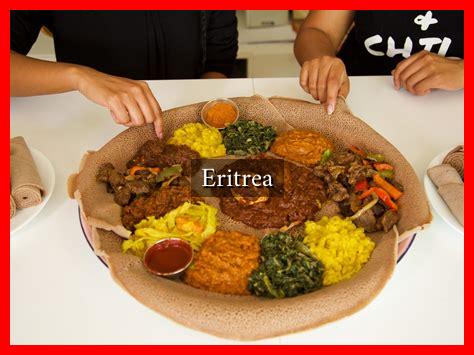
- Culinary Heritage: Eritrean cuisine is a blend of various influences, featuring dishes like injera (a sourdough flatbread) served with a variety of stews known as tsebhi.
- Religious Diversity: The population is predominantly Christian and Muslim, with both religions coexisting peacefully and contributing to the country’s cultural richness.
The Economic Landscape
Eritrea’s economy is primarily based on agriculture, mining, and remittances from the diaspora. Despite its potential, the country faces significant economic challenges, including limited access to international markets and a lack of infrastructure.
- Agriculture: Approximately 80% of the population relies on subsistence farming. However, the sector is vulnerable to climate change and droughts.
- Mining: Eritrea has rich mineral resources, including gold, copper, and zinc. The mining sector has attracted foreign investment, but concerns about labor practices and environmental impact persist.
- Remittances: The Eritrean diaspora plays a crucial role in the economy, with remittances accounting for a significant portion of the national income.
Political Climate and Human Rights Issues
The political landscape in Eritrea is characterized by a one-party system led by the People’s Front for Democracy and Justice (PFDJ). The government has been criticized for its authoritarian practices, including restrictions on freedom of speech, assembly, and the press. According to Human Rights Watch, Eritrea is one of the most repressive countries in the world, with reports of arbitrary detention and forced conscription into national service.
Despite these challenges, there have been recent signs of change. In 2018, Eritrea and Ethiopia signed a peace agreement, ending two decades of hostility. This development has opened up new opportunities for dialogue and cooperation in the region.
Conclusion: A Nation at a Crossroads
Eritrea is a nation marked by resilience and complexity. Its rich cultural heritage and potential for economic growth stand in stark contrast to the political challenges and human rights issues it faces. As the country navigates its path forward, the international community must pay attention to Eritrea’s unique situation, supporting efforts for reform and development while respecting its sovereignty.
In summary, Eritrea’s journey is one of struggle and hope. Understanding its history, culture, and current challenges is essential for anyone interested in the dynamics of the Horn of Africa. For more information on Eritrea’s political situation and human rights issues, you can visit Human Rights Watch.

