


-
Table of Contents
Earliest a Baby Can Be Born and Survive
Bringing a new life into the world is a miraculous event, but sometimes babies are born prematurely, before they are fully developed. The question of how early a baby can be born and still survive is a complex one, with many factors at play. In this article, we will explore the latest research and statistics on premature birth survival rates, as well as the medical advancements that have made it possible for babies to survive at increasingly earlier gestational ages.
Defining Premature Birth
Premature birth, also known as preterm birth, is when a baby is born before 37 weeks of gestation. Babies born prematurely may face a range of health challenges due to their underdeveloped organs and systems. The earlier a baby is born, the higher the risk of complications and the lower the chances of survival.
Survival Rates of Premature Babies
Advances in medical Technology and neonatal care have significantly improved the survival rates of premature babies in recent years. According to the World Health Organization (WHO), babies born at 28 weeks or later have a high chance of survival, with the majority of them growing up to be healthy individuals.
- Babies born at 22-23 weeks: Survival rates are extremely low, with less than 10% of babies born at this gestational age surviving.
- Babies born at 24-25 weeks: Survival rates increase to around 50-70%, but many babies may face long-term health issues.
- Babies born at 26-27 weeks: Survival rates improve further, with around 80-90% of babies surviving and thriving with proper medical care.
Medical Interventions for Premature Babies
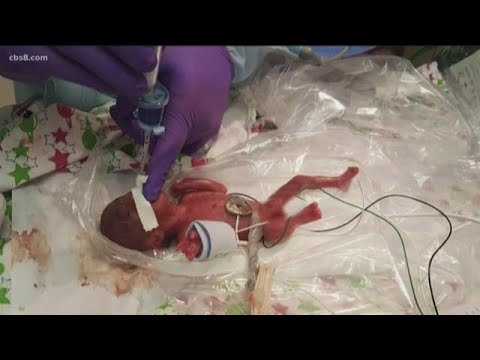
When a baby is born prematurely, they are often placed in the neonatal intensive care unit (NICU) where they receive specialized medical care to support their growth and development. Some of the common interventions for premature babies include:
- Respiratory support: Premature babies may need assistance with breathing, such as mechanical ventilation or CPAP (continuous positive airway pressure).
- Nutritional support: Premature babies may have difficulty feeding, so they may receive nutrients through a feeding tube until they are able to feed on their own.
- Temperature regulation: Premature babies have difficulty regulating their body temperature, so they may be placed in an incubator to keep them warm.
Case Studies of Premature Babies
One remarkable case is that of Amillia Taylor, who was born at just 21 weeks and 6 days gestation in 2006. She weighed only 10 ounces at birth and was the smallest surviving baby ever recorded at the time. With intensive medical care, Amillia survived and thrived, becoming a symbol of hope for premature babies everywhere.
Another inspiring story is that of Richard Hutchinson, who was born at 21 weeks and 2 days gestation in 2020. He spent 132 days in the NICU before being discharged home with his family. Richard’s story highlights the resilience of premature babies and the importance of early intervention and specialized care.
Conclusion
While the earliest a baby can be born and survive is still a topic of ongoing research and debate, it is clear that medical advancements have made it possible for babies to survive at increasingly earlier gestational ages. With proper medical care and support, premature babies have a fighting chance at life and can grow up to lead healthy and fulfilling lives.
It is important for expectant parents to be aware of the risks of premature birth and to seek medical advice if they have any concerns about their pregnancy. By staying informed and proactive, parents can help give their baby the best possible stArt in life.
For more information on premature birth and neonatal care, visit the March of Dimes website.

1 Comment
Prawdziwy z Ciebie talent i mistrz pióra z ogromną łatwością przekładasz myśli na słowa… trzymaj tak dalej, dbaj i pielęgnuj swego bloga… Czym się inspirujesz na co dzień ? skad czerpiesz pomysły na wpisy ?