-
Table of Contents
Comparing Ponds, Lakes, and Stream Pools
When it comes to bodies of water, ponds, lakes, and stream pools are often lumped together, but they each have unique characteristics that set them apart. In this article, we will delve into the differences between ponds, lakes, and stream pools, exploring their ecosystems, sizes, and functions.
Ponds
Ponds are small bodies of water that are typically shallow, with sunlight reaching the bottom. They are often formed by natural processes such as glacial activity, or by human intervention such as digging for agricultural purposes. Ponds are usually less than 2 acres in size and can support a variety of plant and animal life.
- Ponds are often home to aquatic plants such as lilies and cattails.
- They provide habitat for frogs, turtles, and various species of fish.
- Ponds are important for waterfowl, serving as breeding grounds and feeding areas.
Lakes
Lakes are larger bodies of water that are deeper than ponds, with depths that can vary greatly. Lakes can be formed by geological processes such as tectonic activity or by human activities like damming rivers.
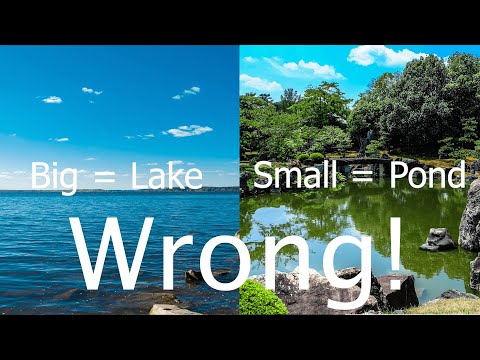
. Lakes are typically larger than 2 acres and can support a wide range of ecosystems.
- Lakes can support a diverse array of fish species, including game fish like bass and trout.
- They are important for recreational activities such as boating, fishing, and swimming.
- Lakes play a crucial role in regulating the water cycle and providing drinking water for communities.
Stream Pools
Stream pools are small, temporary bodies of water that form in streams and rivers. They are created by changes in the flow of water, such as when the stream widens or encounters an obstacle. Stream pools are important habitats for aquatic organisms and play a key role in the overall health of river ecosystems.
- Stream pools provide refuge for fish during times of high flow or drought.
- They support a variety of invertebrates that serve as food for fish and other aquatic animals.
- Stream pools help to slow down the flow of water, reducing erosion and sedimentation downstream.
Key Differences
While ponds, lakes, and stream pools all provide important habitats for aquatic life, they differ in size, depth, and permanence. Ponds are small and shallow, lakes are larger and deeper, and stream pools are temporary features within rivers and streams. Each of these water bodies plays a unique role in supporting biodiversity and ecosystem functions.
Conclusion
In conclusion, ponds, lakes, and stream pools are all vital components of aquatic ecosystems, each with its own set of characteristics and functions. Understanding the differences between these water bodies can help us appreciate the diversity of habitats that support a wide range of plant and animal life. Whether it’s the tranquility of a pond, the vastness of a lake, or the dynamic nature of a stream pool, each of these water bodies contributes to the beauty and complexity of our natural world.