

Table of Contents
Can Prednisone Help with Skin Allergies?
Skin allergies can be a frustrating and uncomfortable experience for many individuals. Symptoms such as itching, redness, and swelling can significantly impact quality of life. Among the various treatment options available, prednisone—a corticosteroid medication—has gained attention for its potential effectiveness in managing skin allergies. This article explores how prednisone works, its benefits, potential side effects, and alternative treatments.
Understanding Skin Allergies
Skin allergies occur when the immune system reacts to a substance (allergen) that it mistakenly identifies as harmful. Common allergens include:
- Pollen
- Pet dander
- Food ingredients
- Insect stings
- Medications
Symptoms can vary widely, ranging from mild irritation to severe reactions, and may include:
- Itching
- Redness
- Swelling
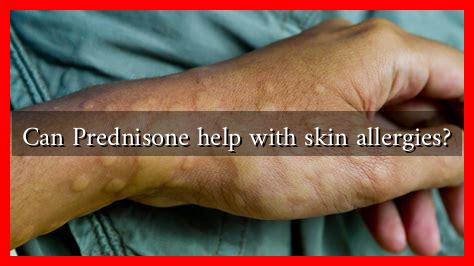
- Rashes
- Blisters
What is Prednisone?
Prednisone is a synthetic corticosteroid that mimics the effects of hormones produced by the adrenal glands. It is commonly prescribed to reduce inflammation and suppress the immune system. This makes it a potential option for treating various allergic reactions, including skin allergies.
How Prednisone Works for Skin Allergies
Prednisone works by inhibiting the immune response that leads to inflammation. When an allergen triggers a reaction, the body releases chemicals like histamines, which cause the symptoms associated with allergies. Prednisone helps to:
- Reduce inflammation
- Minimize itching and discomfort
- Suppress the immune response to allergens
For example, a study published in the Journal of Allergy and Clinical Immunology found that corticosteroids like prednisone significantly improved symptoms in patients with severe allergic reactions, including skin manifestations.
Benefits of Using Prednisone for Skin Allergies
Prednisone can be particularly beneficial in certain situations:
- Rapid Relief: Prednisone can provide quick relief from severe allergic reactions, making it a go-to option for acute flare-ups.
- Effective for Chronic Conditions: For chronic skin conditions like eczema or psoriasis, prednisone can help manage symptoms during flare-ups.
- Versatile Treatment: It can be used in conjunction with other treatments, such as antihistamines or topical creams, for enhanced effectiveness.
Potential Side Effects of Prednisone
While prednisone can be effective, it is not without risks. Common side effects include:
- Weight gain
- Increased appetite
- Insomnia
- Elevated blood sugar levels
- Weakened immune system
Long-term use can lead to more serious complications, such as osteoporosis and adrenal suppression. Therefore, it is crucial to use prednisone under the guidance of a healthcare professional.
Alternatives to Prednisone
For those concerned about the side effects of prednisone, several alternative treatments for skin allergies exist:
- Antihistamines: Medications like cetirizine or loratadine can help alleviate itching and swelling.
- Topical Corticosteroids: Creams or ointments can provide localized relief without the systemic effects of oral prednisone.
- Immunotherapy: Allergy shots or sublingual tablets can help desensitize the immune system to specific allergens.
Conclusion
Prednisone can be an effective treatment option for managing skin allergies, particularly in acute situations or chronic conditions. However, its potential side effects necessitate careful consideration and medical supervision. Patients should discuss their symptoms and treatment options with a healthcare provider to determine the best course of action. By understanding both the benefits and risks associated with prednisone, individuals can make informed decisions about their allergy management strategies.
In summary, while prednisone offers rapid relief for skin allergies, it is essential to weigh its advantages against potential side effects and explore alternative treatments when necessary. Always consult with a healthcare professional before starting or stopping any medication.
