

Table of Contents
Can Metformin Affect Your Mood?
Metformin is a widely prescribed medication primarily used to manage type 2 diabetes. While its primary function is to regulate blood sugar levels, emerging research suggests that Metformin may also have an impact on mood and mental health. This article explores the relationship between Metformin and mood, examining the evidence, potential mechanisms, and implications for patients.
Understanding Metformin
Metformin works by decreasing glucose production in the liver, increasing insulin sensitivity, and enhancing peripheral glucose uptake. It is often the first-line treatment for type 2 diabetes due to its effectiveness and relatively low risk of causing hypoglycemia. However, as more patients use Metformin, researchers have begun to investigate its broader effects, including its influence on mood.
The Link Between Metformin and Mood
Several studies have explored the potential connection between Metformin and mood disorders. While the findings are not entirely conclusive, there are indications that Metformin may have a positive effect on mood in some individuals. Here are some key points from the research:
- Improved Glycemic Control: Better blood sugar management can lead to improved mood. Fluctuating blood sugar levels are known to affect mood and energy levels, and by stabilizing these levels, Metformin may indirectly enhance emotional well-being.
- Impact on Inflammation: Chronic inflammation has been linked to mood disorders such as depression. Metformin has anti-inflammatory properties, which may contribute to improved mood in some patients.
- Weight Management: Weight gain is a common side effect of many diabetes medications, which can negatively impact self-esteem and mood. Metformin is associated with weight loss or maintenance, potentially leading to improved mental health outcomes.
Case Studies and Research Findings
Several studies have provided insights into the relationship between Metformin and mood. For instance, a study published in the journal Diabetes Care found that patients with type 2 diabetes who were treated with Metformin reported lower levels of depression compared to those on other diabetes medications. Another study in the Journal of Clinical Psychiatry indicated that Metformin might have a role in reducing anxiety symptoms in diabetic patients.
Moreover, a meta-analysis published in Psychoneuroendocrinology reviewed multiple studies and concluded that Metformin could have a beneficial effect on mood, particularly in individuals with insulin resistance or metabolic syndrome.
Potential Mechanisms Behind Mood Changes
The exact mechanisms by which Metformin may influence mood are still being studied. Some proposed explanations include:
- Neurotransmitter Regulation: Metformin may influence the levels of neurotransmitters such as serotonin and dopamine, which play crucial roles in mood regulation.
- Gut Microbiome: Metformin has been shown to alter the gut microbiome, which is increasingly recognized for its role in mental health. A healthy gut microbiome can positively influence mood and cognitive function.
- Oxidative Stress Reduction: By reducing oxidative stress, Metformin may help protect brain cells and improve overall brain health, potentially leading to better mood.
Considerations and Conclusion
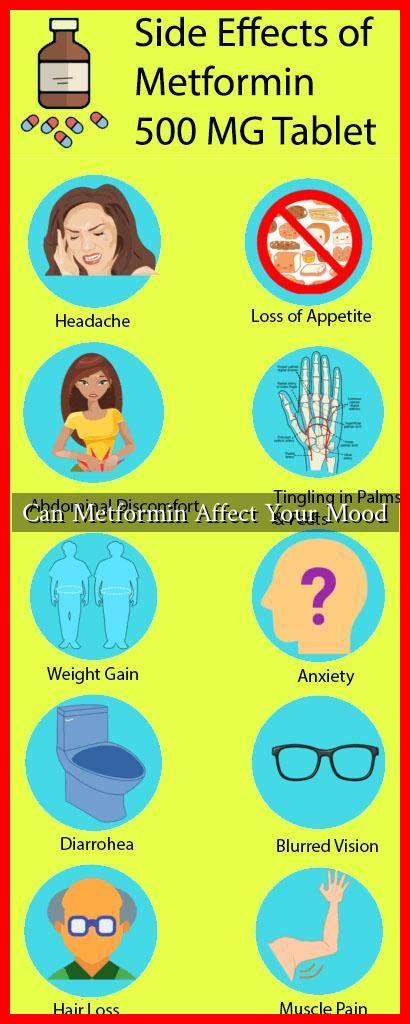
While the evidence suggests that Metformin may have a positive impact on mood for some individuals, it is essential to approach this topic with caution. Not all patients will experience mood improvements, and some may even experience side effects such as gastrointestinal discomfort or fatigue, which could negatively affect mood.
Patients taking Metformin should discuss any mood changes with their healthcare provider, as these changes could be related to various factors, including diabetes management, lifestyle, and other medications. It is crucial to consider a holistic approach to mental health, incorporating diet, exercise, and psychological support as needed.
In summary, while Metformin is primarily known for its role in managing blood sugar levels, emerging research indicates it may also influence mood positively. As more studies are conducted, a clearer understanding of this relationship will help healthcare providers offer comprehensive care to patients with diabetes. For those interested in exploring this topic further, resources such as the American Diabetes Association provide valuable information on diabetes management and mental health.
