

-
Table of Contents
Understanding Basal Cell Carcinoma: A Comprehensive Overview
Basal cell carcinoma (BCC) is the most common form of skin cancer, accounting for nearly 80% of all skin cancer diagnoses in the United States. While it is generally considered less aggressive than other types of skin cancer, such as melanoma, it can still lead to significant health issues if left untreated. This article aims to provide a thorough understanding of basal cell carcinoma, including its causes, symptoms, treatment options, and prevention strategies.
What is Basal Cell Carcinoma?
Basal cell carcinoma originates in the basal cells, which are located in the outer layer of the skin (epidermis). These cells are responsible for producing new skin cells as old ones die off. BCC typically develops in areas of the skin that are frequently exposed to the sun, such as the face, neck, and ears.

. However, it can also occur in other areas of the body.
Causes and Risk Factors
The primary cause of basal cell carcinoma is prolonged exposure to ultraviolet (UV) radiation from the sun or tanning beds. Other contributing factors include:
- Skin Type: Individuals with fair skin, light hair, and light eyes are at a higher risk.
- Age: The risk increases with age, particularly for those over 50.
- Family History: A family history of skin cancer can increase susceptibility.
- Immune Suppression: Individuals with weakened immune systems are more prone to BCC.
- Previous Skin Cancer: A history of skin cancer increases the likelihood of developing BCC.
Symptoms of Basal Cell Carcinoma
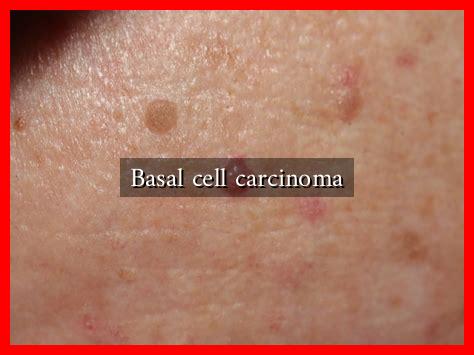
Basal cell carcinoma can manifest in various forms, and its symptoms may include:
- A pearly or waxy bump on the skin
- A flat, flesh-colored or brown scar-like lesion
- A bleeding or scabbing sore that heals and then re-opens
- A red, irritated patch of skin
It is essential to monitor any changes in your skin and consult a healthcare professional if you notice any suspicious growths or changes.
Diagnosis and Treatment Options
Diagnosis of basal cell carcinoma typically involves a physical examination and a biopsy, where a small sample of the suspicious skin is removed and examined under a microscope. Treatment options for BCC vary based on the size, location, and depth of the cancer:
- Surgical Excision: The cancerous tissue is cut out along with a margin of healthy skin.
- Mohs Surgery: A specialized surgical technique that removes cancerous cells layer by layer, ensuring complete removal while preserving healthy tissue.
- Cryotherapy: Freezing the cancer cells with liquid nitrogen.
- Topical Chemotherapy: Applying medication directly to the skin to kill cancer cells.
- Radiation Therapy: Using high-energy rays to target and kill cancer cells, often used for patients who cannot undergo surgery.
Prevention Strategies
Preventing basal cell carcinoma involves minimizing UV exposure and adopting protective measures:
- Use broad-spectrum sunscreen with an SPF of 30 or higher.
- Avoid tanning beds and excessive sun exposure, especially during peak hours (10 AM to 4 PM).
- Wear protective clothing, hats, and sunglasses when outdoors.
- Regularly check your skin for any changes and consult a dermatologist for annual skin exams.
Conclusion
Basal cell carcinoma is a prevalent form of skin cancer that, while generally less aggressive than other types, can still pose significant health risks if not addressed promptly. Understanding the causes, symptoms, and treatment options is crucial for early detection and effective management. By adopting preventive measures and maintaining regular skin checks, individuals can significantly reduce their risk of developing BCC. For more information on skin cancer and prevention strategies, visit the American Cancer Society.

