

Table of Contents
Amlodipine and Exercise: Can You Work Out?
Amlodipine is a commonly prescribed medication for managing high blood pressure and certain types of angina. As more individuals are diagnosed with hypertension, the question arises: can those taking amlodipine safely engage in exercise? This article explores the relationship between amlodipine and physical activity, providing insights into how to maintain a healthy lifestyle while on this medication.
Understanding Amlodipine
Amlodipine belongs to a class of drugs known as calcium channel blockers. It works by relaxing the blood vessels, allowing blood to flow more easily, which in turn lowers blood pressure. According to the American Heart Association, nearly half of adults in the United States have high blood pressure, making medications like amlodipine essential for many.
Benefits of Exercise for Individuals on Amlodipine
Exercise is a crucial component of managing hypertension and overall cardiovascular health. For individuals taking amlodipine, engaging in regular physical activity can offer several benefits:
- Improved Heart Health: Regular exercise strengthens the heart muscle, improving its efficiency and reducing the workload on the heart.
- Weight Management: Physical activity helps in maintaining a healthy weight, which is vital for controlling blood pressure.
- Enhanced Mood: Exercise releases endorphins, which can help alleviate stress and anxiety, common issues for those managing chronic conditions.
- Better Blood Sugar Control: Regular workouts can improve insulin sensitivity, which is beneficial for those at risk of diabetes.
Safety Considerations When Exercising on Amlodipine
While exercise is generally safe for individuals taking amlodipine, there are important considerations to keep in mind:
- Monitor Blood Pressure: It’s essential to regularly check blood pressure levels, especially before and after workouts, to ensure they remain within a safe range.
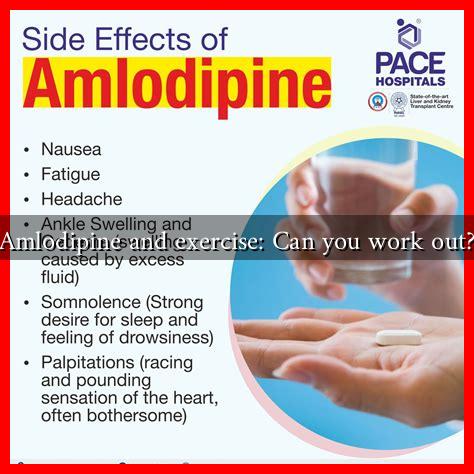
- Stay Hydrated: Amlodipine can cause swelling in the legs and feet, and dehydration can exacerbate this. Drinking plenty of water is crucial.
- Be Mindful of Side Effects: Common side effects of amlodipine include dizziness and fatigue. If you experience these symptoms, it may be wise to adjust your exercise intensity.
- Consult Your Doctor: Before starting any new exercise regimen, it’s advisable to discuss your plans with a healthcare provider, especially if you have other underlying health conditions.
Types of Exercise Recommended
For those on amlodipine, certain types of exercise may be more beneficial and safer than others:
- Aerobic Exercise: Activities like walking, cycling, and swimming can help improve cardiovascular health without putting excessive strain on the heart.
- Strength Training: Light to moderate weight training can be beneficial, but it’s important to avoid heavy lifting that may cause spikes in blood pressure.
- Flexibility and Balance Exercises: Yoga and stretching can enhance flexibility and reduce stress, making them excellent choices for overall well-being.
Case Studies and Statistics
Research supports the positive impact of exercise on individuals taking antihypertensive medications. A study published in the Journal of Hypertension found that patients who engaged in regular physical activity experienced a significant reduction in blood pressure compared to those who were sedentary. Furthermore, a case study involving a 60-year-old male patient on amlodipine showed that after six months of consistent aerobic exercise, his blood pressure decreased from 150/95 mmHg to 130/85 mmHg.
Conclusion
In conclusion, individuals taking amlodipine can safely engage in exercise, which is vital for managing hypertension and promoting overall health. By understanding the benefits, safety considerations, and types of exercise that are most suitable, patients can create a balanced fitness routine that complements their medication regimen. Always consult with a healthcare provider before making significant changes to your exercise routine, and remember that consistency is key to achieving long-term health benefits.
