-
Table of Contents
4 SOLUTIONS FOR WATER POLLUTION
Water pollution is a pressing global issue that affects the health of ecosystems, wildlife, and human populations.
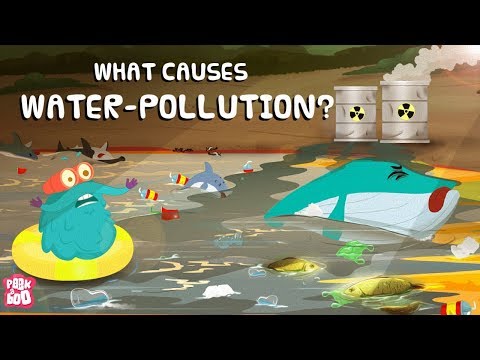
. Contaminants such as chemicals, plastics, and sewage can have devastating effects on water quality, leading to a range of environmental and health problems. In this article, we will explore four effective solutions for addressing water pollution and safeguarding our precious water resources.
1. Implementing Proper Waste Management Systems
One of the primary sources of water pollution is improper waste disposal. When waste is not managed effectively, it can end up in water bodies, contaminating them with harmful substances. To combat this issue, governments and communities must prioritize the implementation of proper waste management systems.
- Establishing recycling programs to reduce the amount of waste sent to landfills.
- Enforcing regulations on industrial waste disposal to prevent toxic chemicals from entering water sources.
- Investing in wastewater treatment plants to ensure that sewage is properly treated before being released into rivers and oceans.
By improving waste management practices, we can significantly reduce the amount of pollution entering our waterways and protect aquatic ecosystems.
2. Promoting Sustainable Agriculture
Agricultural activities are a major contributor to water pollution, as fertilizers and pesticides can leach into water sources, causing contamination. To address this issue, it is essential to promote sustainable agricultural practices that minimize the use of harmful chemicals.
- Encouraging farmers to adopt organic farming methods that rely on natural fertilizers and pest control techniques.
- Implementing buffer zones along water bodies to prevent runoff from agricultural fields.
- Providing education and training to farmers on sustainable farming practices.
By promoting sustainable agriculture, we can reduce the impact of agricultural activities on water quality and protect aquatic ecosystems from pollution.
3. Investing in Green Infrastructure
Green infrastructure refers to natural or nature-based solutions that help manage stormwater and reduce pollution in water bodies. By investing in green infrastructure projects, we can improve water quality and enhance the resilience of ecosystems.
- Constructing green roofs and rain gardens to capture and filter stormwater before it reaches water bodies.
- Restoring wetlands and riparian zones to provide natural filtration and habitat for wildlife.
- Implementing permeable pavement to allow rainwater to infiltrate the ground instead of running off into water sources.
Green infrastructure not only helps mitigate water pollution but also provides additional benefits such as flood control and habitat restoration.
4. Raising Awareness and Education
Education plays a crucial role in addressing water pollution by raising awareness about the importance of clean water and the actions individuals can take to protect it. By educating the public, we can empower people to make informed choices that contribute to water conservation and pollution prevention.
- Organizing community clean-up events to remove trash and debris from waterways.
- Teaching students about the sources and impacts of water pollution in school curricula.
- Engaging with local communities through outreach programs and workshops on water conservation.
By raising awareness and promoting education on water pollution, we can foster a culture of environmental stewardship and inspire collective action to protect our water resources.
Conclusion
Water pollution is a complex and multifaceted issue that requires a comprehensive approach to address effectively. By implementing proper waste management systems, promoting sustainable agriculture, investing in green infrastructure, and raising awareness and education, we can make significant progress in reducing water pollution and safeguarding our water resources for future generations. It is crucial for governments, communities, and individuals to work together to protect our precious water sources and ensure a sustainable and healthy environment for all.