-
Table of Contents
ZONING MAP CITY OF CHICAGO
When it comes to urban planning and development, zoning plays a crucial role in shaping the physical landscape of a city. In the case of Chicago, the Zoning Map is a key tool that guides land use and development within the city limits. Understanding the Zoning Map of Chicago is essential for developers, residents, and policymakers alike to navigate the complex regulations that govern the use of land in the city.
What is a Zoning Map?
A Zoning Map is a visual representation of the zoning districts within a city or municipality. Zoning districts are designated areas with specific regulations that dictate how land can be used, such as residential, commercial, industrial, or mixed-use. The Zoning Map of Chicago divides the city into different zones, each with its own set of rules and restrictions.
The Zoning Map of Chicago
The Zoning Map of Chicago is a comprehensive document that outlines the various zoning districts within the city.
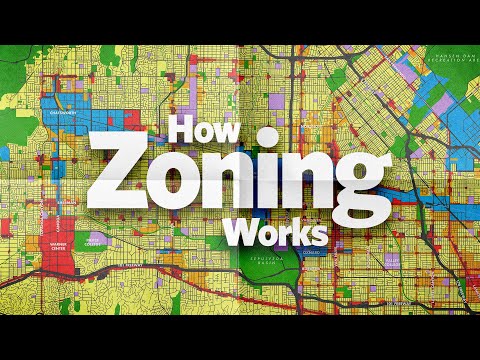
. It is maintained by the Department of Planning and Development and is regularly updated to reflect changes in land use and development patterns. The Zoning Map is a valuable resource for anyone looking to understand the zoning regulations that apply to a specific property or area within the city.
Zoning Districts in Chicago
- Residential: These zones are primarily for housing, including single-family homes, multi-family buildings, and apartment complexes.
- Commercial: These zones are designated for businesses, retail stores, restaurants, and other commercial activities.
- Industrial: These zones are for manufacturing, warehousing, and other industrial uses.
- Mixed-Use: These zones allow for a combination of residential, commercial, and/or industrial uses within the same area.
How to Use the Zoning Map
For developers and property owners, the Zoning Map is a crucial tool for understanding what can be built on a specific piece of land. By consulting the Zoning Map, they can determine the zoning district of a property and the regulations that apply to that area. This information is essential for obtaining permits, approvals, and variances for construction projects.
Case Study: The 78
One of the most significant development projects in Chicago in recent years is The 78, a mixed-use development located in the South Loop. The project spans 62 acres and is being developed in multiple phases. The developers of The 78 had to navigate the city’s Zoning Map to ensure compliance with the zoning regulations for the area.
By working closely with city officials and planners, the developers were able to secure the necessary approvals and permits to move forward with the project. The Zoning Map played a critical role in guiding the development of The 78 and ensuring that it aligned with the city’s long-term vision for the area.
Conclusion
The Zoning Map of Chicago is a vital tool for guiding land use and development within the city. By understanding the zoning regulations that apply to a specific property or area, developers, residents, and policymakers can make informed decisions about how to use land in a way that benefits the community as a whole. The Zoning Map is not just a static document but a dynamic tool that reflects the evolving needs and priorities of the city.
For more information on the Zoning Map of Chicago, you can visit the City of Chicago’s Department of Planning and Development website.