

-
Table of Contents
Why Am I Bipolar?
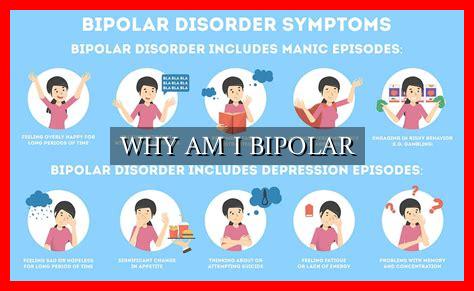
Bipolar disorder, formerly known as manic depression, is a mental health condition characterized by extreme mood swings that include emotional highs (mania or hypomania) and lows (depression). Individuals with bipolar disorder may experience periods of intense energy and euphoria followed by deep sadness and hopelessness. The exact cause of bipolar disorder is not fully understood, but research suggests that a combination of genetic, biological, and environmental factors play a role in its development.
Genetic Factors
One of the primary factors contributing to bipolar disorder is genetics. Studies have shown that individuals with a family history of bipolar disorder are more likely to develop the condition themselves. According to the National Institute of Mental Health, if one parent has bipolar disorder, the risk of their child developing the disorder is approximately 15-30%.

. If both parents have bipolar disorder, the risk increases to 50-75%. This indicates a strong genetic component in the development of bipolar disorder.
Biological Factors
Biological factors also play a significant role in the development of bipolar disorder. Research has shown that imbalances in neurotransmitters, such as dopamine, serotonin, and norepinephrine, can contribute to mood instability and fluctuations in individuals with bipolar disorder. Additionally, structural and functional abnormalities in the brain, particularly in areas responsible for emotional regulation and impulse control, have been observed in individuals with bipolar disorder.
Environmental Factors
While genetics and biology play a crucial role in the development of bipolar disorder, environmental factors can also influence its onset and course. Stressful life events, such as trauma, loss, or major life changes, can trigger episodes of mania or depression in individuals with a predisposition to bipolar disorder. Substance abuse, particularly alcohol and drug use, can also exacerbate symptoms of bipolar disorder and interfere with treatment effectiveness.
Diagnosis and Treatment
Diagnosing bipolar disorder can be challenging due to the complexity of its symptoms and the overlap with other mental health conditions. However, a comprehensive evaluation by a mental health professional, including a thorough medical history, physical examination, and psychological assessment, is essential for an accurate diagnosis. Treatment for bipolar disorder typically involves a combination of medication, psychotherapy, and lifestyle modifications.
- Medication: Mood stabilizers, antipsychotic medications, and antidepressants are commonly prescribed to manage symptoms of bipolar disorder and stabilize mood fluctuations.
- Psychotherapy: Cognitive-behavioral therapy (CBT), interpersonal therapy, and family-focused therapy can help individuals with bipolar disorder develop coping strategies, improve communication skills, and enhance emotional regulation.
- Lifestyle modifications: Maintaining a regular sleep schedule, engaging in regular exercise, practicing stress management techniques, and avoiding alcohol and drug use can help individuals with bipolar disorder manage their symptoms and improve their overall well-being.
Conclusion
In conclusion, bipolar disorder is a complex mental health condition influenced by a combination of genetic, biological, and environmental factors. While the exact cause of bipolar disorder remains unclear, research suggests that a multifaceted approach to treatment, including medication, psychotherapy, and lifestyle modifications, can help individuals manage their symptoms and lead fulfilling lives. By understanding the underlying factors contributing to bipolar disorder, individuals can seek appropriate support and resources to effectively manage their condition.
