

-
Table of Contents
Why Am I Hearing Voices?
Have you ever experienced hearing voices that others around you cannot hear? This phenomenon, known as auditory hallucinations, can be a distressing and confusing experience for many individuals. In this article, we will explore the possible reasons behind why some people hear voices and delve into the various factors that may contribute to this phenomenon.
Psychological Factors
One of the primary reasons why individuals may hear voices is due to psychological factors. Mental health conditions such as schizophrenia, bipolar disorder, and post-traumatic stress disorder (PTSD) are commonly associated with auditory hallucinations. These conditions can cause disruptions in the brain’s neural pathways, leading to the perception of voices that are not actually present.
- Schizophrenia: Schizophrenia is a severe mental disorder characterized by distorted thinking, emotions, and perceptions. People with schizophrenia may experience auditory hallucinations as a symptom of the illness.
- Bipolar Disorder: Individuals with bipolar disorder may experience episodes of mania or depression, during which they may hear voices or have other hallucinations.
- PTSD: Post-traumatic stress disorder can lead to intrusive thoughts and memories, which may manifest as auditory hallucinations in some cases.
Neurological Factors
Neurological conditions can also play a role in the experience of hearing voices.

. Disorders such as epilepsy, brain tumors, and dementia can affect the brain’s functioning and lead to auditory hallucinations. In some cases, these conditions may cause abnormal electrical activity in the brain, resulting in the perception of voices.
- Epilepsy: Temporal lobe epilepsy, in particular, is associated with auditory hallucinations, as seizures originating in the temporal lobe can affect auditory processing.
- Brain Tumors: Tumors in the brain can disrupt normal brain function and lead to sensory disturbances, including auditory hallucinations.
- Dementia: People with dementia may experience hallucinations as a result of changes in the brain that affect perception and cognition.
Environmental Factors
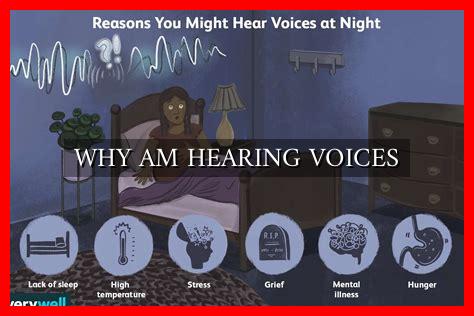
External factors can also contribute to the experience of hearing voices. Stress, trauma, substance abuse, and sleep deprivation are all known to increase the likelihood of auditory hallucinations. These factors can impact the brain’s chemistry and functioning, leading to alterations in perception and sensory experiences.
- Stress: High levels of stress can trigger hallucinations in some individuals, as the body’s stress response can affect neurotransmitter levels in the brain.
- Trauma: Past traumatic experiences can manifest as auditory hallucinations, especially in individuals with PTSD or other trauma-related disorders.
- Substance Abuse: Drugs and alcohol can alter brain chemistry and perception, leading to hallucinations and other psychotic symptoms.
- Sleep Deprivation: Lack of sleep can disrupt normal brain function and increase the likelihood of experiencing auditory hallucinations.
Conclusion
Hearing voices can be a complex and multifaceted experience, influenced by a combination of psychological, neurological, and environmental factors. Understanding the potential reasons behind auditory hallucinations is crucial for seeking appropriate treatment and support. If you or someone you know is experiencing distressing auditory hallucinations, it is important to consult a mental health professional for evaluation and guidance.
By addressing the underlying factors contributing to the experience of hearing voices, individuals can work towards managing their symptoms and improving their overall well-being.
