

-
Table of Contents
Why Am I Bleeding When I Poop?
Seeing blood when you go to the bathroom can be a frightening experience. If you notice blood in the toilet after a bowel movement, it’s important not to panic. While it can be a sign of a serious medical condition, there are also many common and treatable causes of rectal bleeding. In this article, we will explore the reasons why you might be bleeding when you poop and what steps you can take to address this issue.
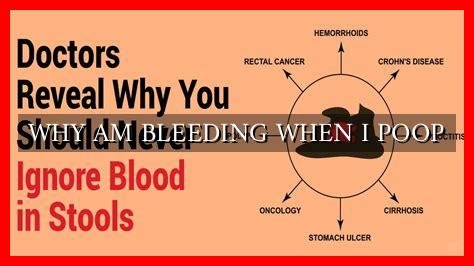
Common Causes of Rectal Bleeding
There are several common reasons why you might be experiencing rectal bleeding:
- Hemorrhoids: Hemorrhoids are swollen blood vessels in the rectum or anus that can cause bleeding during bowel movements. They are a common condition and can be treated with over-the-counter creams and lifestyle changes.
- Anal Fissures: An anal fissure is a small tear in the lining of the anus, which can cause pain and bleeding during bowel movements.

. Most anal fissures heal on their own, but in some cases, medical intervention may be necessary.
- Constipation: Straining during bowel movements due to constipation can cause small tears in the anus, leading to bleeding. Increasing fiber intake and staying hydrated can help alleviate constipation and reduce the risk of bleeding.

When to Seek Medical Attention
While many cases of rectal bleeding are not serious, there are certain situations where you should seek medical attention immediately:
- Heavy Bleeding: If you are experiencing heavy bleeding or passing blood clots, it could be a sign of a more serious condition such as colorectal cancer.
- Change in Bowel Habits: If you notice a sudden change in your bowel habits, such as persistent diarrhea or constipation, along with rectal bleeding, it could be a sign of a more serious underlying issue.
- Family History: If you have a family history of colorectal cancer or inflammatory bowel disease, you may be at a higher risk for developing these conditions and should consult a healthcare provider.
Preventive Measures
There are several steps you can take to prevent rectal bleeding and promote overall digestive health:
- Stay Hydrated: Drinking plenty of water can help soften your stool and prevent constipation, reducing the risk of bleeding during bowel movements.
- Eat a High-Fiber Diet: Foods rich in fiber, such as fruits, vegetables, and whole grains, can help regulate bowel movements and prevent constipation.
- Exercise Regularly: Physical activity can help improve digestion and prevent constipation, reducing the risk of rectal bleeding.
Conclusion
Rectal bleeding can be a concerning symptom, but in many cases, it is not a cause for alarm. By understanding the common causes of rectal bleeding and taking preventive measures to promote digestive health, you can reduce the risk of experiencing this issue. However, if you are experiencing persistent or severe rectal bleeding, it is important to consult a healthcare provider for further evaluation and treatment.
Remember, your health is important, and it’s always better to be safe than sorry when it comes to rectal bleeding.
For more information on rectal bleeding and when to seek medical attention, visit Mayo Clinic.
