

-
Table of Contents

Why Am I Always Hungry?
Feeling hungry is a natural sensation that our bodies use to signal the need for nourishment. However, if you find yourself constantly reaching for snacks or feeling unsatisfied after meals, you may be wondering why you are always hungry. In this article, we will explore some common reasons for persistent hunger and provide insights on how to address this issue.
1. Lack of Protein
Protein is an essential nutrient that plays a crucial role in satiety. When you consume protein-rich foods, they take longer to digest, keeping you feeling full for a longer period of time. If your meals are lacking in protein, you may find yourself feeling hungry soon after eating.
- Include sources of protein such as lean meats, eggs, dairy, legumes, and nuts in your meals to help curb hunger.
- Consider incorporating protein-rich snacks like Greek yogurt, cottage cheese, or protein bars to keep you satisfied between meals.
2. Not Enough Fiber
Fiber is another nutrient that can help you feel full and satisfied. Foods high in fiber take longer to digest, which can help regulate your appetite and prevent overeating. If your diet is low in fiber, you may experience frequent hunger pangs.
- Include fiber-rich foods like fruits, vegetables, whole grains, and legumes in your meals to increase feelings of fullness.
- Snack on fiber-rich options such as popcorn, nuts, seeds, or whole grain crackers to help curb hunger cravings.
3. Dehydration
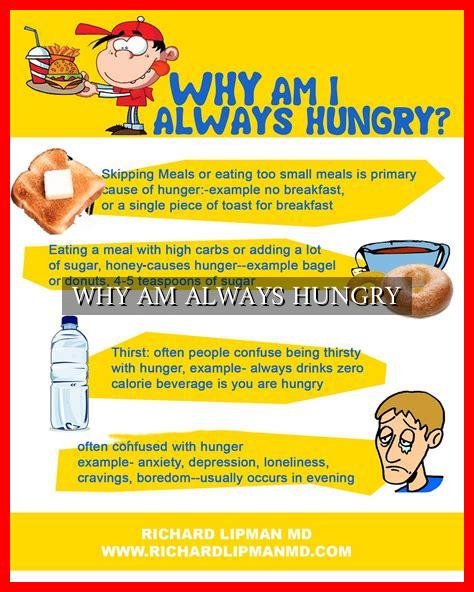
Thirst is often mistaken for hunger, leading you to eat when your body actually needs hydration. Staying properly hydrated is essential for overall health and can help prevent unnecessary snacking.
- Drink water throughout the day to stay hydrated and prevent confusion between thirst and hunger signals.
- Aim to consume at least 8-10 cups of water daily, or more if you are physically active.
4. Lack of Sleep
Not getting enough sleep can disrupt your hunger hormones, leading to increased appetite and cravings for high-calorie foods. Chronic sleep deprivation has been linked to weight gain and obesity due to its impact on hunger regulation.
- Make sleep a priority by establishing a consistent bedtime routine and aiming for 7-9 hours of quality sleep each night.
- Avoid caffeine and electronic devices before bed to improve sleep quality and regulate hunger hormones.
5. Emotional Eating
Emotional factors such as stress, boredom, or anxiety can trigger feelings of hunger even when your body does not need food. Emotional eating can lead to overconsumption of calories and contribute to weight gain.
- Practice mindful eating by tuning into your body’s hunger cues and distinguishing between physical and emotional hunger.
- Find alternative ways to cope with emotions such as exercise, meditation, journaling, or talking to a therapist.
Conclusion
Understanding the reasons behind your constant hunger can help you make informed choices to address this issue. By incorporating protein-rich foods, increasing fiber intake, staying hydrated, prioritizing sleep, and managing emotional eating, you can better regulate your appetite and achieve a healthier relationship with food. Remember that listening to your body’s signals and making sustainable lifestyle changes are key to overcoming persistent hunger.
For more information on nutrition and healthy eating habits, visit eatright.org.
