

-
Table of Contents
What Theological Discussions Surround the Decision to Wear a Veil?
The practice of wearing a veil has deep theological roots and varies significantly across different religious traditions. This article explores the theological discussions surrounding the decision to wear a veil, particularly in Christianity and Islam, while also considering cultural implications and personal choices.
The Veil in Christianity
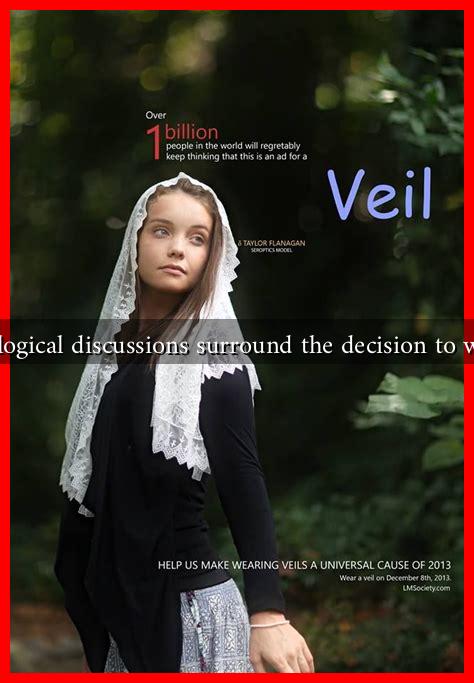
In Christianity, the veil is often associated with modesty and reverence. The Apostle Paul addresses the topic in 1 Corinthians 11:5-6, where he discusses women covering their heads during worship. This passage has led to various interpretations and theological debates:
- Symbol of Authority: Some theologians argue that the veil symbolizes a woman’s submission to divine authority and her husband, reflecting the hierarchical structure of the family.
- Cultural Context: Others contend that Paul’s instructions were culturally specific to the Corinthian church and not intended as a universal mandate.
- Modern Application: Many contemporary Christians debate whether the practice should be revived or if it is an outdated tradition.
For instance, some denominations, such as the Amish and certain Orthodox communities, maintain the practice of veiling as a sign of modesty and commitment to their faith. In contrast, many Protestant groups view the practice as non-essential, focusing instead on the heart’s condition rather than outward appearances.
The Veil in Islam
In Islam, the veil, or hijab, is often seen as a symbol of modesty and piety. The Quran addresses the concept of modesty in several verses, including Surah An-Nur (24:30-31) and Surah Al-Ahzab (33:59). The theological discussions surrounding the hijab include:
- Obedience to God: Many Muslim women view wearing the hijab as an act of obedience to Allah, fulfilling a religious obligation.
- Empowerment vs. Oppression: The hijab is often debated as a symbol of empowerment for some women, while others see it as a form of oppression imposed by patriarchal structures.
- Interpretation of Texts: Scholars differ in their interpretations of Quranic verses and Hadiths, leading to diverse practices regarding veiling across different cultures.
For example, in countries like Saudi Arabia, wearing the hijab is mandated by law, while in Turkey, it has been a subject of political debate, with restrictions placed on its public wearing in certain contexts. This illustrates how cultural and political factors intertwine with theological discussions.
Personal Choice and Autonomy
Both in Christianity and Islam, the decision to wear a veil often intersects with personal choice and autonomy. Many women choose to wear a veil as a reflection of their faith and identity, while others may feel pressured by societal or familial expectations. This raises important questions about:
- Individual Agency: How do women navigate their personal beliefs and societal pressures when deciding to wear a veil?
- Community Influence: What role does community play in shaping an individual’s decision to wear a veil?
- Interfaith Perspectives: How do women from different faith backgrounds view the practice of veiling?
Case studies reveal a spectrum of experiences. For instance, a study conducted by the Pew Research Center found that 62% of Muslim women in the U.S. choose to wear the hijab as a personal expression of faith, while 38% do so due to familial or cultural expectations. This highlights the complexity of the decision-making process.
Conclusion
The theological discussions surrounding the decision to wear a veil are multifaceted, encompassing interpretations of sacred texts, cultural contexts, and personal autonomy. Whether viewed as a symbol of modesty, empowerment, or oppression, the veil remains a significant topic of discussion in both Christianity and Islam. As society continues to evolve, so too will the conversations surrounding this practice, reflecting the diverse experiences and beliefs of women around the world.
Ultimately, understanding the theological implications of wearing a veil requires a nuanced approach that respects individual choices while acknowledging the broader cultural and religious contexts. For further reading on this topic, you can explore resources from the Pew Research Center and various theological journals that delve into the complexities of religious practices.
