

-
Table of Contents
- What Role Does Communication Play in Intimacy?
- The Foundation of Intimacy: Effective Communication
- Communication Styles and Their Impact on Intimacy
- Case Studies: The Power of Communication in Relationships
- Barriers to Effective Communication and Intimacy
- Strategies for Enhancing Communication and Intimacy
- Conclusion: The Indispensable Role of Communication in Intimacy
What Role Does Communication Play in Intimacy?
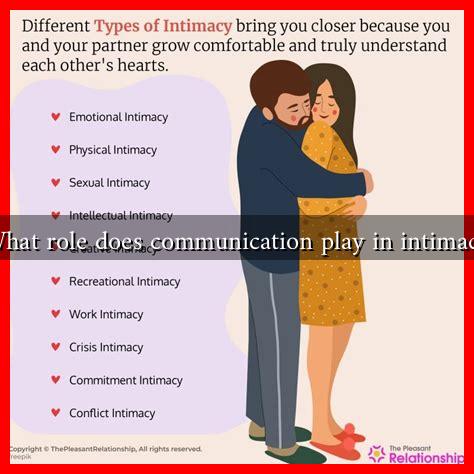
Intimacy is a multifaceted concept that encompasses emotional, physical, and psychological closeness between individuals. While many factors contribute to the development of intimacy, communication stands out as a cornerstone of any intimate relationship. This article explores the vital role communication plays in fostering intimacy, supported by research, examples, and practical insights.
The Foundation of Intimacy: Effective Communication
Effective communication is essential for building and maintaining intimacy. It allows partners to express their thoughts, feelings, and needs openly, creating a safe space for vulnerability. Here are some key aspects of communication that contribute to intimacy:
- Active Listening: Listening attentively to your partner fosters understanding and connection. It shows that you value their perspective and are willing to engage with their emotions.
- Honesty: Being truthful about your feelings and experiences helps build trust, which is crucial for intimacy. Honesty encourages partners to be open about their vulnerabilities.
- Nonverbal Communication: Body language, eye contact, and tone of voice can convey emotions that words may not fully express. Nonverbal cues often enhance the emotional connection between partners.
Communication Styles and Their Impact on Intimacy
Different communication styles can significantly affect the level of intimacy in a relationship. Understanding these styles can help partners navigate their interactions more effectively:
- Assertive Communication: This style involves expressing thoughts and feelings openly while respecting others. It promotes healthy discussions and conflict resolution, enhancing intimacy.
- Aggressive Communication: This style can lead to misunderstandings and resentment, damaging intimacy. It often involves dominating conversations and disregarding the partner’s feelings.
- Passive Communication: Individuals who communicate passively may suppress their needs, leading to frustration and emotional distance. This can hinder the development of intimacy.
Case Studies: The Power of Communication in Relationships
Research has shown that effective communication is linked to higher levels of relationship satisfaction. A study published in the Journal of Relationships Research found that couples who engage in open and honest communication report greater intimacy and satisfaction. For instance:
- Couple A: After attending a communication workshop, this couple learned to express their feelings without fear of judgment. As a result, they reported a significant increase in emotional closeness.
- Couple B: This couple struggled with passive communication, leading to unresolved conflicts. By adopting assertive communication techniques, they were able to address issues constructively, enhancing their intimacy.
Barriers to Effective Communication and Intimacy
Despite its importance, several barriers can hinder effective communication and intimacy:
- Fear of Vulnerability: Many individuals fear being vulnerable, which can prevent them from sharing their true feelings.
- Past Trauma: Previous negative experiences can lead to communication apprehension, making it difficult to engage openly with a partner.
- Busy Lifestyles: In today’s fast-paced world, couples may struggle to find time for meaningful conversations, leading to emotional distance.
Strategies for Enhancing Communication and Intimacy
To foster intimacy through communication, couples can adopt several strategies:
- Schedule Regular Check-Ins: Setting aside time for open discussions can help partners stay connected and address any issues before they escalate.
- Practice Empathy: Understanding your partner’s feelings and perspectives can enhance emotional closeness.
- Use “I” Statements: Expressing feelings using “I” statements (e.g., “I feel hurt when…”) can reduce defensiveness and promote constructive dialogue.
Conclusion: The Indispensable Role of Communication in Intimacy
In summary, communication is a fundamental element of intimacy in relationships. It enables partners to connect on emotional, physical, and psychological levels, fostering trust and understanding. By recognizing the importance of effective communication and addressing barriers, couples can enhance their intimacy and overall relationship satisfaction. As the saying goes, “Communication is the key to a successful relationship,” and this holds true in the pursuit of deeper intimacy.
