

-
Table of Contents
What Is the Importance of Insulin Sensitivity?
Insulin sensitivity is a crucial aspect of metabolic health that plays a significant role in how our bodies utilize glucose. Understanding insulin sensitivity can help individuals make informed lifestyle choices that promote better health outcomes. This article delves into the importance of insulin sensitivity, its implications for overall health, and strategies to improve it.
Understanding Insulin Sensitivity
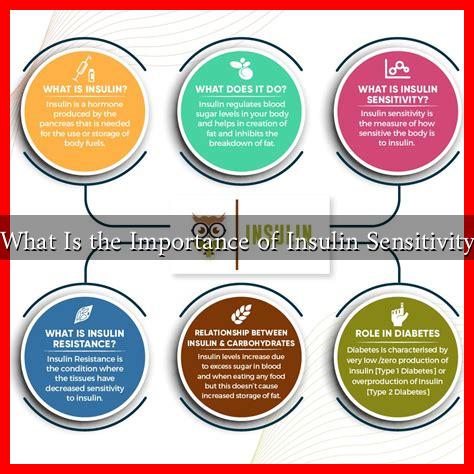
Insulin sensitivity refers to how responsive the body’s cells are to insulin, a hormone produced by the pancreas that regulates blood sugar levels. When insulin sensitivity is high, the body efficiently uses insulin to lower blood sugar levels. Conversely, low insulin sensitivity, often referred to as insulin resistance, can lead to elevated blood sugar levels and various health issues.
The Role of Insulin Sensitivity in Health
Insulin sensitivity is vital for several reasons:
- Blood Sugar Regulation: High insulin sensitivity helps maintain stable blood sugar levels, reducing the risk of hyperglycemia (high blood sugar) and hypoglycemia (low blood sugar).
- Weight Management: Improved insulin sensitivity can aid in weight loss and maintenance by promoting fat oxidation and reducing fat storage.
- Cardiovascular Health: Insulin resistance is linked to increased risk factors for heart disease, including high blood pressure and elevated cholesterol levels.
- Prevention of Type 2 Diabetes: Enhancing insulin sensitivity is a key strategy in preventing the onset of type 2 diabetes, a condition that affects millions worldwide.
Statistics and Case Studies
According to the Centers for Disease Control and Prevention (CDC), over 34 million Americans have diabetes, with type 2 diabetes accounting for approximately 90-95% of these cases. Insulin resistance is a significant contributor to this epidemic. A study published in the journal Diabetes Care found that individuals with higher insulin sensitivity had a 50% lower risk of developing type 2 diabetes compared to those with lower sensitivity.
Another case study highlighted the impact of lifestyle changes on insulin sensitivity. A group of overweight individuals participated in a 12-week program that included dietary modifications and regular exercise. The results showed a significant improvement in insulin sensitivity, with participants experiencing an average weight loss of 5-10% and a notable decrease in fasting insulin levels.
Factors Affecting Insulin Sensitivity
Several factors can influence insulin sensitivity, including:
- Diet: Diets high in refined carbohydrates and sugars can lead to decreased insulin sensitivity, while diets rich in whole foods, healthy fats, and fiber can improve it.
- Physical Activity: Regular exercise enhances insulin sensitivity by promoting glucose uptake in muscle cells.
- Sleep Quality: Poor sleep can negatively impact insulin sensitivity, making it essential to prioritize good sleep hygiene.
- Stress Levels: Chronic stress can lead to hormonal imbalances that affect insulin sensitivity.
Strategies to Improve Insulin Sensitivity
Improving insulin sensitivity is achievable through various lifestyle changes:
- Adopt a Balanced Diet: Focus on whole foods, including fruits, vegetables, lean proteins, and healthy fats. Reducing sugar and refined carbohydrate intake is crucial.
- Engage in Regular Exercise: Aim for at least 150 minutes of moderate-intensity aerobic activity each week, combined with strength training exercises.
- Prioritize Sleep: Aim for 7-9 hours of quality sleep per night to support metabolic health.
- Manage Stress: Incorporate stress-reducing techniques such as mindfulness, yoga, or meditation into your daily routine.
Conclusion
Insulin sensitivity is a vital component of metabolic health that significantly impacts blood sugar regulation, weight management, and the risk of chronic diseases such as type 2 diabetes and cardiovascular issues. By understanding the importance of insulin sensitivity and implementing lifestyle changes, individuals can enhance their overall health and well-being. Prioritizing a balanced diet, regular physical activity, quality sleep, and stress management can lead to improved insulin sensitivity and a healthier life.
For more information on managing insulin sensitivity and related health topics, consider visiting the CDC Diabetes Basics page.
