

-
Table of Contents
The Impact of Domestic Violence on Mental Health
Domestic violence is a pervasive issue that affects millions of individuals worldwide, transcending age, gender, and socioeconomic status. While the physical consequences of domestic violence are often highlighted, the mental health implications are equally significant and deserve attention. This article explores the profound impact of domestic violence on mental health, examining the psychological effects, statistics, and potential pathways to recovery.
Understanding Domestic Violence
Domestic violence, also known as intimate partner violence (IPV), encompasses a range of abusive behaviors, including physical, emotional, sexual, and economic abuse. It can occur in various forms, such as:
- Physical abuse: Hitting, slapping, or any form of physical harm.
- Emotional abuse: Manipulation, humiliation, and verbal attacks.
- Sexual abuse: Coercion or forced sexual acts.
- Economic abuse: Controlling a partner’s access to financial resources.
Each of these forms of abuse can lead to severe mental health issues for the victim, creating a cycle of trauma that can be difficult to escape.
The Psychological Effects of Domestic Violence
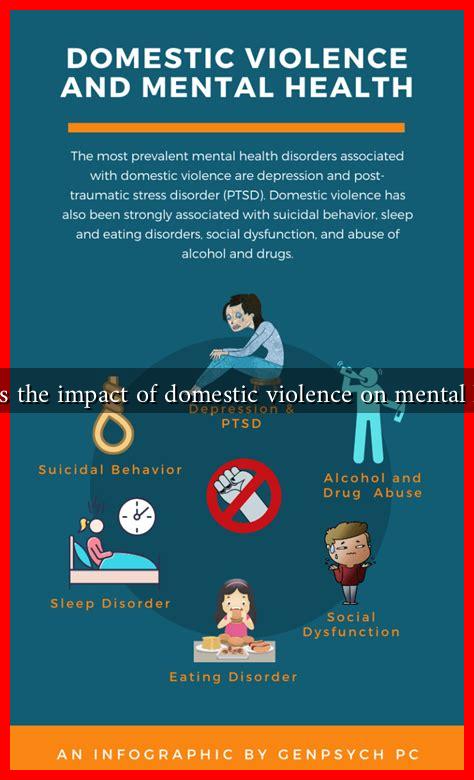
The psychological impact of domestic violence can be profound and long-lasting. Victims often experience a range of mental health issues, including:
- Post-Traumatic Stress Disorder (PTSD): Many survivors of domestic violence develop PTSD, characterized by flashbacks, severe anxiety, and uncontrollable thoughts about the traumatic event.
- Depression: Victims may experience persistent feelings of sadness, hopelessness, and a loss of interest in activities they once enjoyed.
- Anxiety Disorders: Constant fear and hyper-vigilance can lead to generalized anxiety disorder or panic attacks.
- Substance Abuse: Some individuals may turn to drugs or alcohol as a coping mechanism to numb their emotional pain.
- Low Self-Esteem: Continuous emotional abuse can erode a person’s self-worth, leading to feelings of inadequacy and self-doubt.
Statistics Highlighting the Issue
Understanding the scope of domestic violence and its mental health implications is crucial. According to the World Health Organization (WHO):
- Approximately 1 in 3 women worldwide have experienced physical or sexual violence in their lifetime.
- Men are also victims, with about 1 in 4 experiencing some form of IPV.
- Survivors of domestic violence are 3 times more likely to experience depression and anxiety than those who have not experienced such violence.
These statistics underscore the urgent need for awareness and intervention to support victims and address their mental health needs.
Case Studies: Real-Life Impacts
Numerous case studies illustrate the mental health consequences of domestic violence. For instance, a study published in the journal Violence Against Women found that women who experienced IPV reported higher levels of depression and anxiety compared to those who had not. Another case study highlighted a survivor who, after years of emotional abuse, struggled with PTSD and found it challenging to form new relationships due to trust issues.
Pathways to Recovery
While the impact of domestic violence on mental health can be devastating, recovery is possible. Here are some pathways to healing:
- Therapy: Engaging in individual or group therapy can help survivors process their trauma and develop coping strategies.
- Support Groups: Connecting with others who have experienced similar situations can provide validation and a sense of community.
- Education: Learning about the dynamics of domestic violence can empower survivors and help them understand their experiences.
- Self-Care: Practicing self-care through mindfulness, exercise, and healthy relationships can aid in recovery.
Conclusion
The impact of domestic violence on mental health is profound and multifaceted. Survivors often face a range of psychological challenges, including PTSD, depression, and anxiety. Understanding these effects is crucial for providing appropriate support and resources. By raising awareness and promoting pathways to recovery, we can help survivors reclaim their lives and foster resilience in the face of adversity. If you or someone you know is experiencing domestic violence, resources such as the National Domestic Violence Hotline (thehotline.org) can provide immediate assistance and support.
