

-
Table of Contents
What is Intermittent Fasting and How Does it Work
Intermittent fasting has gained popularity in recent years as a weight loss and health trend. But what exactly is intermittent fasting, and how does it work? In this article, we will explore the concept of intermittent fasting, its benefits, and how it can be incorporated into your lifestyle.
Understanding Intermittent Fasting
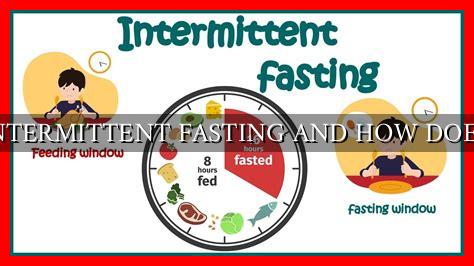
Intermittent fasting is not a diet, but rather an eating pattern that cycles between periods of fasting and eating. There are several different methods of intermittent fasting, but the most common ones include:
- 16/8 method: This involves fasting for 16 hours and eating within an 8-hour window each day.
- 5:2 diet: This involves eating normally for five days a week and restricting calorie intake to 500-600 calories on the other two days.
- Alternate-day fasting: This involves alternating between days of normal eating and days of fasting.
How Does Intermittent Fasting Work
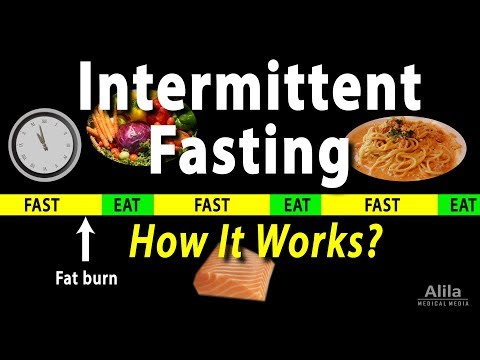
Intermittent fasting works by changing the body’s hormone levels to facilitate weight loss and improve overall health. When you fast, several things happen in the body:
- Insulin levels drop, which allows the body to burn stored fat for energy.
- Human growth hormone levels increase, which aids in fat loss and muscle gain.
- Cellular repair processes are activated, which can help prevent diseases like cancer and Alzheimer’s.
Intermittent fasting also helps to reduce inflammation in the body, improve blood sugar levels, and increase metabolism. These effects can lead to weight loss, improved energy levels, and better overall health.
Benefits of Intermittent Fasting
There are numerous benefits to intermittent fasting beyond weight loss.
. Some of the key benefits include:
- Improved insulin sensitivity, which can reduce the risk of type 2 diabetes.
- Reduced inflammation in the body, which can lower the risk of chronic diseases.
- Increased brain health and cognitive function.
- Longevity and anti-aging effects.
Research has shown that intermittent fasting can have a positive impact on overall health and well-being. One study published in the New England Journal of Medicine found that intermittent fasting can lead to weight loss, improved metabolic health, and reduced risk factors for chronic diseases.
How to Incorporate Intermittent Fasting into Your Lifestyle
If you are interested in trying intermittent fasting, it is important to start slowly and find a method that works for you. Here are some tips for incorporating intermittent fasting into your lifestyle:
- Start with a 12-hour fast and gradually increase the fasting window over time.
- Stay hydrated during fasting periods with water, herbal tea, or black coffee.
- Focus on eating nutrient-dense foods during your eating window to support overall health.
- Listen to your body and adjust your fasting schedule as needed.
Summary
Intermittent fasting is an eating pattern that involves cycling between periods of fasting and eating. It works by changing hormone levels in the body to facilitate weight loss and improve overall health. There are several methods of intermittent fasting, each with its own benefits. Research has shown that intermittent fasting can lead to weight loss, improved metabolic health, and reduced risk factors for chronic diseases. By incorporating intermittent fasting into your lifestyle, you can experience the numerous health benefits it has to offer.
