

-
Table of Contents
What Happens If I Overdose on Naproxen?
Naproxen is a nonsteroidal anti-inflammatory drug (NSAID) commonly used to relieve pain, reduce inflammation, and lower fever. While it is effective for various conditions, including arthritis, menstrual cramps, and headaches, an overdose can lead to serious health complications. Understanding the risks and symptoms associated with a Naproxen overdose is crucial for anyone using this medication.
Understanding Naproxen
Naproxen works by inhibiting the production of certain chemicals in the body that cause inflammation and pain. It is available over-the-counter and by prescription, often marketed under brand names like Aleve and Naprosyn. While it is generally safe when taken as directed, misuse or accidental overdose can have severe consequences.
Symptoms of Naproxen Overdose
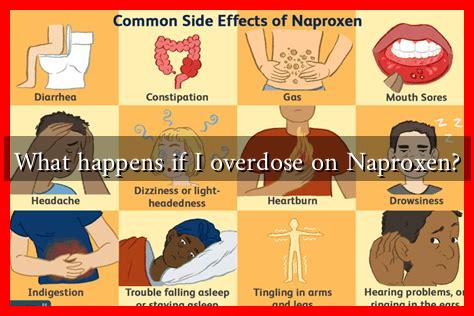
Recognizing the symptoms of a Naproxen overdose is vital for prompt treatment. Symptoms can vary based on the amount ingested and individual health factors. Common symptoms include:
- Nausea and vomiting
- Stomach pain
- Headache
- Dizziness or lightheadedness
- Ringing in the ears (tinnitus)
- Confusion or altered mental state
- Shortness of breath
- Severe allergic reactions (in rare cases)
In extreme cases, an overdose can lead to more severe complications, such as kidney failure, gastrointestinal bleeding, or even coma. If you suspect an overdose, it is crucial to seek medical attention immediately.
Case Studies and Statistics
While specific statistics on Naproxen overdoses are limited, a study published in the Journal of Medical Toxicology highlighted that NSAID overdoses, including Naproxen, are a significant cause of emergency room visits. The study found that approximately 10% of all NSAID-related cases involved serious complications, including hospitalization.
In one notable case, a 45-year-old woman ingested 3 grams of Naproxen in a single day, significantly exceeding the recommended dosage. She presented to the emergency department with severe abdominal pain and vomiting. After treatment, she recovered but required close monitoring for kidney function due to the potential for acute kidney injury.
What to Do in Case of an Overdose
If you or someone you know has taken an overdose of Naproxen, it is essential to act quickly:
- Call emergency services or go to the nearest hospital.
- Provide information about the amount of Naproxen taken and the time of ingestion.
- Do not induce vomiting unless instructed by a medical professional.
- Bring the medication container to the hospital for reference.
Medical professionals may perform various interventions, including gastric lavage (stomach pumping) or administering activated charcoal to limit absorption of the drug. Supportive care, such as intravenous fluids and monitoring of vital signs, may also be necessary.
Preventing Naproxen Overdose
To avoid the risk of overdose, consider the following precautions:
- Always follow the dosage instructions provided by your healthcare provider or on the medication label.
- Avoid taking multiple NSAIDs simultaneously, as this can increase the risk of overdose.
- Keep medications out of reach of children and pets.
- Consult your doctor if you have pre-existing conditions, such as kidney disease or gastrointestinal issues, that may increase your risk.
Conclusion
Naproxen can be an effective medication for managing pain and inflammation, but it is essential to use it responsibly. An overdose can lead to serious health complications, including gastrointestinal bleeding and kidney failure. Recognizing the symptoms of an overdose and knowing how to respond can save lives. Always adhere to prescribed dosages and consult with a healthcare professional if you have any concerns about your medication. For more information on safe medication practices, visit the FDA’s website.
