

-
Table of Contents
What Are the Symptoms of High Insulin Levels?
Insulin is a crucial hormone produced by the pancreas that helps regulate blood sugar levels. While it plays a vital role in metabolism, excessive insulin levels—known as hyperinsulinemia—can lead to various health issues. Understanding the symptoms of high insulin levels is essential for early detection and management of potential complications. This article explores the symptoms, causes, and implications of elevated insulin levels.
Understanding Hyperinsulinemia
Hyperinsulinemia occurs when the body produces too much insulin, often in response to insulin resistance, where cells become less responsive to insulin’s effects. This condition can lead to several metabolic disorders, including type 2 diabetes, obesity, and cardiovascular diseases.
Common Symptoms of High Insulin Levels
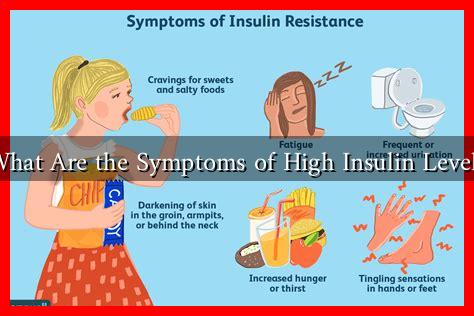
Recognizing the symptoms of high insulin levels is crucial for timely intervention. Here are some common signs:
- Increased Hunger: High insulin levels can lead to fluctuations in blood sugar, causing increased hunger and cravings for carbohydrates.
- Weight Gain: Insulin promotes fat storage, making it difficult to lose weight and often leading to obesity.
- Fatigue: Despite having high insulin levels, the body may struggle to utilize glucose effectively, leading to feelings of fatigue and lethargy.
- Frequent Urination: Elevated insulin can cause the kidneys to excrete more glucose, leading to increased urination.
- Skin Changes: Conditions like acanthosis nigricans, characterized by dark patches of skin, can indicate high insulin levels.
- Headaches: Fluctuations in blood sugar levels can trigger headaches and migraines.
- Difficulty Concentrating: High insulin levels can affect cognitive function, leading to brain fog and difficulty focusing.
Case Studies and Statistics
Research indicates that hyperinsulinemia is a growing concern worldwide. A study published in the Journal of Clinical Endocrinology & Metabolism found that nearly 50% of individuals with obesity exhibited elevated insulin levels. Furthermore, a significant correlation exists between high insulin levels and the development of type 2 diabetes, with studies showing that individuals with hyperinsulinemia are at a higher risk of developing the disease compared to those with normal insulin levels.
Causes of High Insulin Levels
Several factors can contribute to elevated insulin levels, including:
- Insulin Resistance: The most common cause, where cells fail to respond effectively to insulin.
- Obesity: Excess body fat, particularly around the abdomen, is linked to increased insulin production.
- Diet: High carbohydrate and sugar intake can lead to spikes in insulin levels.
- Physical Inactivity: A sedentary lifestyle can exacerbate insulin resistance.
- Genetics: Family history can play a role in an individual’s susceptibility to insulin resistance.
Managing High Insulin Levels
Addressing high insulin levels involves lifestyle changes and, in some cases, medical intervention. Here are some strategies:
- Dietary Changes: Adopting a low-carbohydrate, high-fiber diet can help stabilize blood sugar levels.
- Regular Exercise: Physical activity improves insulin sensitivity and aids in weight management.
- Weight Loss: Losing excess weight can significantly reduce insulin levels and improve overall health.
- Medication: In some cases, doctors may prescribe medications to help manage insulin levels.
Conclusion
High insulin levels can lead to a range of symptoms that significantly impact an individual’s quality of life. Recognizing these symptoms early is crucial for effective management and prevention of associated health issues. By understanding the causes and implementing lifestyle changes, individuals can take proactive steps to regulate their insulin levels and improve their overall health. If you suspect you have high insulin levels, consult a healthcare professional for proper evaluation and guidance.
