


-
Table of Contents
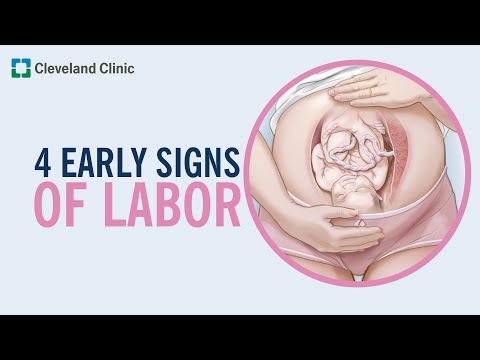
What Are the Signs of Labor at 37 Weeks
As you approach the end of your pregnancy journey, it’s essential to be aware of the signs that labor may be imminent. At 37 weeks, you are considered full-term, and your baby could arrive at any time. Understanding the signs of labor at this stage can help you prepare both mentally and physically for the arrival of your little one.
1. Increased Braxton Hicks Contractions
Braxton Hicks contractions are often referred to as “practice contractions” as they help prepare your body for labor. At 37 weeks, you may notice an increase in the frequency and intensity of these contractions. Unlike true labor contractions, Braxton Hicks contractions are irregular and do not get closer together over time.
- Stay hydrated and change positions if you experience Braxton Hicks contractions.
- If the contractions become regular or more intense, contact your healthcare provider.
2. Nesting Instinct
Many women experience a sudden burst of energy and the urge to clean and organize their home in the days leading up to labor. This phenomenon, known as the nesting instinct, is believed to be nature’s way of preparing you for the arrival of your baby.
- Take advantage of this burst of energy to prepare your home for the baby’s arrival.
- Don’t overexert yourself and remember to rest when needed.
3. Cervical Changes
As your body prepares for labor, you may experience changes in your cervix. Your healthcare provider may perform a cervical exam to check for effacement (thinning) and dilation (opening) of the cervix. These changes indicate that your body is getting ready for labor.
- Discuss any cervical changes with your healthcare provider to monitor progress.
- Be prepared for labor to start soon after experiencing significant cervical changes.
4. Increased Discharge
As you near the end of your pregnancy, you may notice an increase in vaginal discharge. This discharge, known as the “bloody show,” may be tinged with blood and is a sign that your cervix is beginning to dilate in preparation for labor.
- Monitor any changes in vaginal discharge and report them to your healthcare provider.
- Be prepared for labor to start within a few days of experiencing the bloody show.
5. Water Breaking
One of the most well-known signs of labor is the breaking of the amniotic sac, commonly referred to as the water breaking. This can happen as a sudden gush of fluid or a slow trickle. If your water breaks, it is essential to contact your healthcare provider immediately.
- Keep track of any fluid leakage and note the color and odor of the fluid.
- Seek medical attention promptly if you suspect your water has broken.
Summary
At 37 weeks, it’s crucial to be aware of the signs that labor may be approaching. Increased Braxton Hicks contractions, nesting instinct, cervical changes, increased discharge, and water breaking are all indicators that your body is preparing for labor. By recognizing these signs and staying in close communication with your healthcare provider, you can be better prepared for the arrival of your baby.
Remember, every pregnancy is unique, and not all women will experience the same signs of labor. If you have any concerns or questions about the signs you are experiencing, don’t hesitate to reach out to your healthcare provider for guidance and support.
