

-
Table of Contents
What Are the Signs of Kidney Failure in Dogs
As a responsible pet owner, it is crucial to be aware of the signs of kidney failure in dogs. Kidney failure, also known as renal failure, is a serious condition that can have devastating consequences if not detected and treated early. In this article, we will explore the common signs of kidney failure in dogs, the causes of this condition, and what you can do to help your furry friend.
Understanding Kidney Failure in Dogs
The kidneys play a vital role in filtering waste products from the blood and regulating fluid balance in the body. When the kidneys are not functioning properly, waste products can build up in the bloodstream, leading to a range of health issues. Kidney failure can be acute, meaning it occurs suddenly, or chronic, developing over time.
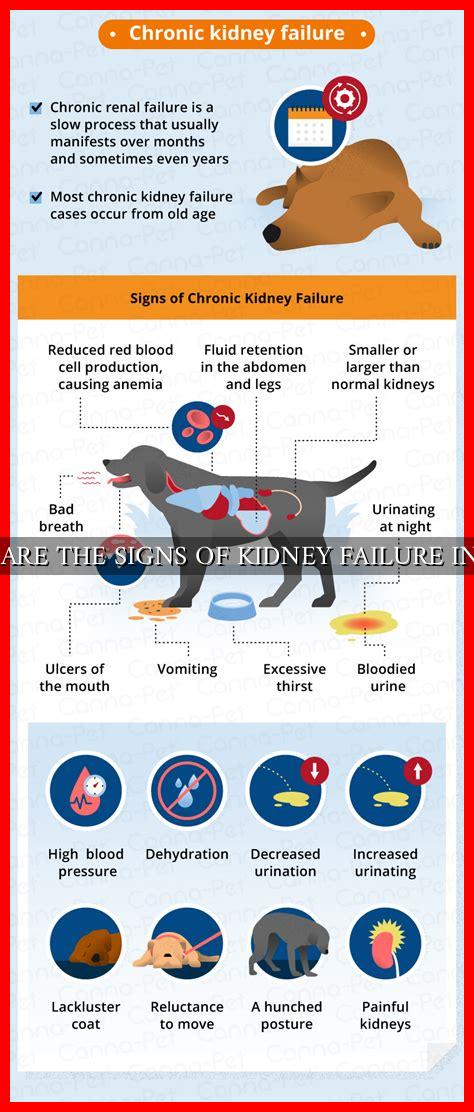
Signs of Kidney Failure in Dogs
It is essential to recognize the signs of kidney failure in dogs early on to seek prompt veterinary care.

. Some common signs to watch out for include:
- Increased thirst and urination
- Decreased appetite
- Weight loss
- Vomiting
- Lethargy
- Bad breath
- Changes in coat appearance
Causes of Kidney Failure in Dogs
There are several factors that can contribute to kidney failure in dogs, including:
- Age-related degeneration
- Ingestion of toxins
- Infections
- Genetic predisposition
- Underlying health conditions
Diagnosis and Treatment
If you suspect that your dog may be experiencing kidney failure, it is crucial to seek veterinary attention immediately. Your vet will perform a series of tests, including blood work and urine analysis, to diagnose the condition. Treatment options may include:
- Fluid therapy to support kidney function
- Dietary changes to reduce the workload on the kidneys
- Medications to manage symptoms
- Monitoring and follow-up care
Prevention and Management
While some causes of kidney failure in dogs are beyond your control, there are steps you can take to help prevent this condition. Providing your dog with a balanced diet, regular exercise, and access to clean water can support overall kidney health. Additionally, regular veterinary check-ups can help detect any early signs of kidney disease.
Conclusion
Being aware of the signs of kidney failure in dogs is essential for every pet owner. By recognizing the symptoms early on and seeking prompt veterinary care, you can help improve your dog’s quality of life and potentially extend their lifespan. Remember, early detection and intervention are key to managing kidney failure in dogs.
For more information on kidney health in dogs, visit AKC’s guide on kidney disease in dogs.
