

-
Table of Contents
What Are the Risks of Insulin Allergy?
Insulin is a vital hormone for individuals with diabetes, enabling them to manage their blood sugar levels effectively. However, for a small percentage of the population, insulin can trigger allergic reactions. Understanding the risks associated with insulin allergy is crucial for both patients and healthcare providers. This article delves into the nature of insulin allergies, their symptoms, potential complications, and management strategies.
Understanding Insulin Allergy
Insulin allergy is an immune response to insulin, which can manifest in various forms. It is important to note that true insulin allergy is rare, affecting approximately 1-2% of insulin-dependent patients. The allergic reaction can occur with any type of insulin, including human, animal, and synthetic insulins.
Types of Insulin Allergies
Insulin allergies can be categorized into two main types:
- Local Allergic Reactions: These reactions occur at the injection site and may include redness, swelling, and itching. They are usually mild and resolve without intervention.
- Systemic Allergic Reactions: These are more severe and can affect the entire body. Symptoms may include hives, difficulty breathing, and anaphylaxis, a life-threatening condition that requires immediate medical attention.
Symptoms of Insulin Allergy
Recognizing the symptoms of insulin allergy is essential for timely intervention. Common symptoms include:
- Redness and swelling at the injection site
- Itching or rash
- Hives or welts
- Shortness of breath or wheezing
- Rapid heartbeat
- Dizziness or fainting
In severe cases, anaphylaxis can occur, which is characterized by a sudden drop in blood pressure, swelling of the throat, and loss of consciousness. According to the American Academy of Allergy, Asthma & Immunology, anaphylaxis can develop within minutes of exposure to the allergen.
Risks Associated with Insulin Allergy
The risks of insulin allergy can be significant, particularly for those who rely on insulin for their diabetes management. Some of the key risks include:
- Inadequate Blood Sugar Control: Allergic reactions may lead patients to avoid insulin injections, resulting in poor glycemic control and increased risk of diabetes-related complications.
- Severe Allergic Reactions: Systemic reactions can lead to anaphylaxis, which is a medical emergency requiring immediate treatment.
- Psychological Impact: The fear of allergic reactions can lead to anxiety and stress, further complicating diabetes management.
- Increased Healthcare Costs: Managing allergic reactions may require additional medical visits, medications, and possibly hospitalization.
Case Studies and Statistics
Several case studies highlight the risks associated with insulin allergy. For instance, a study published in the Journal of Allergy and Clinical Immunology reported a case of a 34-year-old woman who experienced anaphylaxis after her insulin injection. This case underscores the importance of recognizing and managing insulin allergies promptly.
Statistics indicate that while insulin allergy is rare, the consequences can be severe. A review of literature found that approximately 0.1% to 0.5% of patients with diabetes experience severe allergic reactions to insulin, emphasizing the need for awareness and preparedness among healthcare providers.
Management Strategies
Managing insulin allergy involves a multi-faceted approach:
- Consultation with Healthcare Providers: Patients should discuss any allergic reactions with their healthcare team to determine the best course of action.
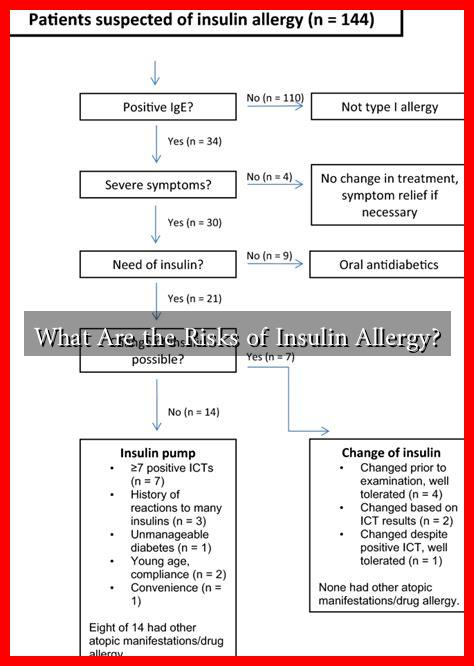
- Alternative Insulin Formulations: Switching to a different type of insulin or delivery method may alleviate allergic reactions.
- Desensitization Therapy: In some cases, gradual exposure to insulin under medical supervision may help reduce allergic responses.
- Emergency Preparedness: Patients should carry an epinephrine auto-injector and have an action plan in place for severe allergic reactions.
Conclusion
Insulin allergy, while rare, poses significant risks for individuals with diabetes. Understanding the symptoms, potential complications, and management strategies is essential for effective diabetes care. By recognizing the signs of insulin allergy and working closely with healthcare providers, patients can mitigate risks and maintain better control over their diabetes. Awareness and education are key to ensuring that those affected by insulin allergy can lead healthy, fulfilling lives.
