

-
Table of Contents
What Are the New Zodiac Signs?
For centuries, people have turned to astrology to gain insights into their personalities, relationships, and future. The zodiac, a system of twelve astrological signs based on the position of the sun at the time of a person’s birth, has long been used to provide guidance and understanding. However, in recent years, there has been a buzz around the idea of new zodiac signs, causing confusion and curiosity among astrology enthusiasts. Let’s delve into what these new zodiac signs are and how they may impact the way we view astrology.
The Traditional Zodiac Signs
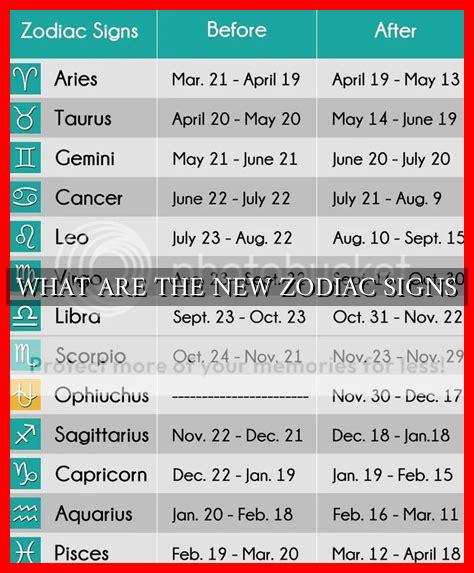
The traditional zodiac consists of twelve signs, each representing a specific period of the year. These signs are:
- Aries (March 21 – April 19)
- Taurus (April 20 – May 20)
- Gemini (May 21 – June 20)
- Cancer (June 21 – July 22)
- Leo (July 23 – August 22)
- Virgo (August 23 – September 22)
- Libra (September 23 – October 22)
- Scorpio (October 23 – November 21)
- Sagittarius (November 22 – December 21)
- Capricorn (December 22 – January 19)
- Aquarius (January 20 – February 18)
- Pisces (February 19 – March 20)
The New Zodiac Signs
In 2016, NASA caused a stir when they announced that there is a thirteenth zodiac sign, Ophiuchus, which falls between Scorpio and Sagittarius.
. This revelation led to speculation about the potential changes in astrological charts and the impact on individuals’ zodiac signs. Ophiuchus is represented by a serpent bearer and is said to possess traits such as wisdom, healing, and transformation.
While Ophiuchus is not officially recognized in mainstream astrology, some astrologers have embraced the idea of incorporating this new sign into their practice. This has sparked debates among astrology enthusiasts about the validity and relevance of the traditional zodiac signs versus the inclusion of Ophiuchus.
The Shift in Zodiac Dates
Another aspect of the new zodiac signs controversy is the proposed shift in the dates associated with each sign. According to some astrologers, the alignment of the stars has changed over time, leading to a discrepancy in the traditional zodiac dates. This has prompted discussions about adjusting the dates of the zodiac signs to reflect the current astronomical positions.
For example, if you were born between March 21 and April 19, you may have been considered an Aries under the traditional zodiac. However, under the new zodiac system, you could fall under the sign of Pisces. This shift has caused confusion and uncertainty among those who identify strongly with their zodiac sign.
Conclusion
As the debate over the new zodiac signs continues, it is essential to approach astrology with an open mind and a critical eye. While the traditional zodiac signs have been widely accepted and studied for centuries, the introduction of new signs such as Ophiuchus challenges our understanding of astrology and the influence of the stars on our lives.
Whether you choose to embrace the new zodiac signs or stick to the traditional system, astrology remains a fascinating and complex field that offers insights into our personalities and relationships. Ultimately, the most important thing is to use astrology as a tool for self-reflection and personal growth, regardless of the specific zodiac sign you identify with.
