

-
Table of Contents

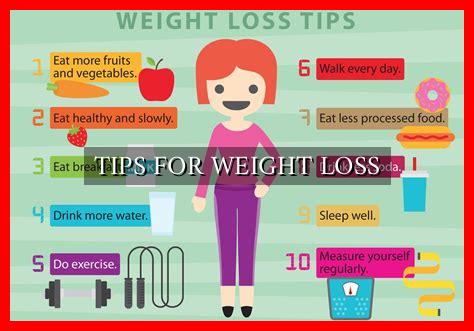
TIPS FOR WEIGHT LOSS
Weight loss is a common goal for many individuals looking to improve their health and well-being. However, achieving and maintaining a healthy weight can be a challenging journey. In this article, we will explore some effective tips for weight loss that are backed by research and can help you reach your goals.
1. Set Realistic Goals
One of the first steps in successful weight loss is setting realistic and achievable goals. It’s important to be specific about how much weight you want to lose and in what timeframe. According to the Centers for Disease Control and Prevention (CDC), a safe and sustainable rate of weight loss is about 1-2 pounds per week.
- Start by setting small, achievable goals such as losing 5-10% of your current body weight.
- Track your progress regularly to stay motivated and make adjustments as needed.
2. Eat a Balanced Diet
Diet plays a crucial role in weight loss. Focus on consuming a balanced diet that includes a variety of nutrient-dense foods such as fruits, vegetables, whole grains, lean proteins, and healthy fats. Avoid processed foods high in sugar, salt, and unhealthy fats.
- Fill half your plate with fruits and vegetables to increase fiber intake and promote satiety.
- Limit sugary beverages and opt for water or unsweetened tea instead.
3. Stay Active
Regular physical activity is essential for weight loss and overall health. Aim for at least 150 minutes of moderate-intensity exercise per week, such as brisk walking, cycling, or swimming. Incorporate strength training exercises to build muscle and boost metabolism.
- Find activities you enjoy to make exercise more sustainable in the long run.
- Set aside time for physical activity each day, even if it’s just a short walk or quick workout.
4. Get Adequate Sleep
Sleep plays a significant role in weight management. Lack of sleep can disrupt hormones that regulate appetite and lead to increased cravings for unhealthy foods. Aim for 7-9 hours of quality sleep each night to support weight loss efforts.
- Create a bedtime routine to promote relaxation and improve sleep quality.
- Avoid screens and stimulating activities before bed to help you wind down and fall asleep faster.
5. Manage Stress
Chronic stress can contribute to weight gain and make it harder to lose weight. Find healthy ways to manage stress such as meditation, yoga, deep breathing exercises, or spending time in nature. Prioritize self-care and make time for activities that bring you joy and relaxation.
- Practice mindfulness to stay present and reduce stress levels.
- Seek support from friends, family, or a therapist if stress becomes overwhelming.
Summary
Weight loss is a journey that requires dedication, patience, and a holistic approach. By setting realistic goals, eating a balanced diet, staying active, getting adequate sleep, and managing stress, you can improve your chances of successful weight loss. Remember that everyone’s weight loss journey is unique, so it’s essential to find what works best for you and make sustainable lifestyle changes. Incorporating these tips into your daily routine can help you achieve your weight loss goals and improve your overall health and well-being.
