-
Table of Contents
The Social Determinants of Health
Health is influenced by a myriad of factors beyond just genetics and access to healthcare. The social determinants of health play a crucial role in shaping an individual’s well-being and overall health outcomes. These determinants encompass a wide range of social, economic, and environmental factors that can either promote or hinder health and well-being.
What are the Social Determinants of Health?
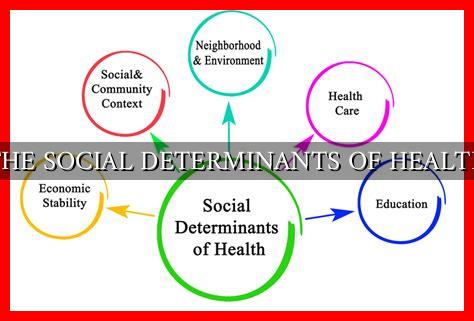
The World Health Organization defines the social determinants of health as the conditions in which people are born, grow, live, work, and age. These conditions are shaped by the distribution of money, power, and resources at global, national, and local levels. The social determinants of health include:
- Income and social status
- Education
- Employment and working conditions
- Access to healthcare
- Social support networks
- Physical environment
- Genetics
Impact of Social Determinants on Health
The social determinants of health have a significant impact on an individual’s health outcomes.
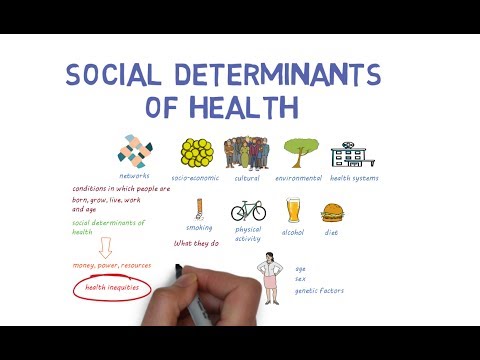
. For example, individuals with lower income levels are more likely to experience poor health outcomes due to limited access to healthcare, unhealthy living conditions, and higher levels of stress. Lack of education can also contribute to poor health outcomes as individuals may not have the knowledge or resources to make informed decisions about their health.
Research has shown that individuals with higher levels of education tend to have better health outcomes, as they are more likely to engage in healthy behaviors and seek out preventive care. Additionally, employment and working conditions can impact health, with individuals in precarious or stressful jobs being at higher risk for health problems.
Case Study: Income Inequality and Health Disparities
A study conducted by the National Center for Biotechnology Information found that income inequality is strongly associated with health disparities. Countries with higher levels of income inequality tend to have higher rates of chronic diseases, mental health problems, and overall poorer health outcomes.
For example, in the United States, individuals in the lowest income bracket are more likely to suffer from obesity, diabetes, and heart disease compared to those in higher income brackets. This disparity is attributed to factors such as limited access to healthy food options, lack of safe and affordable housing, and higher levels of stress due to financial insecurity.
Addressing Social Determinants of Health
In order to improve health outcomes and reduce health disparities, it is essential to address the social determinants of health. This can be achieved through policies and programs that aim to reduce income inequality, improve access to education and employment opportunities, and create supportive social environments.
- Implementing policies that promote income equality and provide a social safety net for vulnerable populations
- Investing in education and job training programs to improve employment opportunities and economic stability
- Creating affordable housing options and improving access to healthy food in underserved communities
- Building strong social support networks and community resources to promote mental health and well-being
Conclusion
The social determinants of health play a critical role in shaping an individual’s health outcomes. By addressing factors such as income inequality, education, employment, and social support, we can create a more equitable and healthier society for all. It is essential for policymakers, healthcare providers, and communities to work together to address these determinants and improve the overall health and well-being of populations.