

-
Table of Contents
The Signs of Depression
Depression is a common mental health disorder that affects millions of people worldwide. It can manifest in various ways and impact every aspect of a person’s life. Recognizing the signs of depression is crucial for early intervention and treatment. In this article, we will explore the key signs of depression and how to identify them.
Physical Symptoms
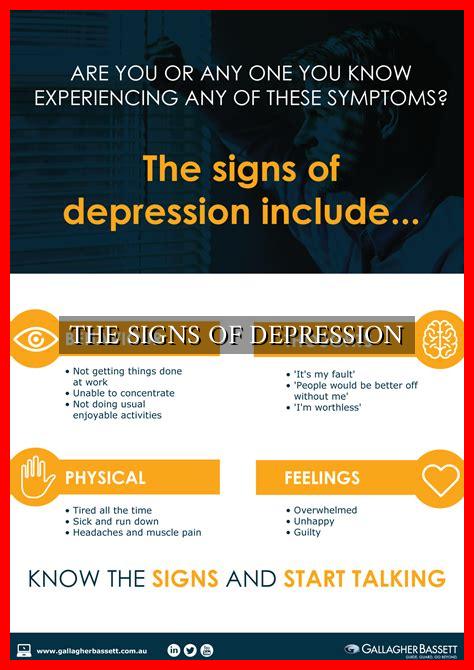
Depression can often manifest through physical symptoms that may not immediately be recognized as signs of a mental health disorder. Some common physical symptoms of depression include:
- Changes in appetite or weight
- Insomnia or oversleeping
- Fatigue and low energy levels
- Unexplained aches and pains
It is important to note that these physical symptoms can also be indicative of other medical conditions, so it is essential to consult a healthcare professional for a proper diagnosis.
Emotional Signs
Depression is often characterized by a range of emotional symptoms that can significantly impact a person’s well-being.

. Some emotional signs of depression include:
- Persistent feelings of sadness or emptiness
- Irritability or anger outbursts
- Loss of interest in activities once enjoyed
- Feelings of worthlessness or guilt
These emotional signs can vary in intensity and duration, but if they persist for an extended period, it may be a sign of depression.
Behavioral Changes
Depression can also manifest through changes in behavior that may be noticeable to others. Some common behavioral signs of depression include:
- Withdrawal from social activities and relationships
- Difficulty concentrating or making decisions
- Engaging in risky behaviors or substance abuse
- Suicidal thoughts or behaviors
It is essential to pay attention to these behavioral changes and seek help if you or someone you know is exhibiting them.
Seeking Help
If you or someone you know is experiencing signs of depression, it is crucial to seek help from a mental health professional. Depression is a treatable condition, and early intervention can significantly improve outcomes. Therapy, medication, and lifestyle changes are all effective treatment options for depression.
Remember, you are not alone, and there is help available. Reach out to a therapist, counselor, or psychiatrist for support and guidance. Taking the first step towards seeking help is a brave and important decision.
Conclusion
Recognizing the signs of depression is the first step towards getting the help and support you need. By being aware of the physical, emotional, and behavioral symptoms of depression, you can take proactive steps towards improving your mental health and well-being. Remember, you are not alone, and there are resources available to help you navigate through this challenging time.
If you or someone you know is struggling with depression, do not hesitate to reach out for help. You deserve to feel better and live a fulfilling life.
For more information on depression and mental health resources, visit National Institute of Mental Health.
