


-
Table of Contents
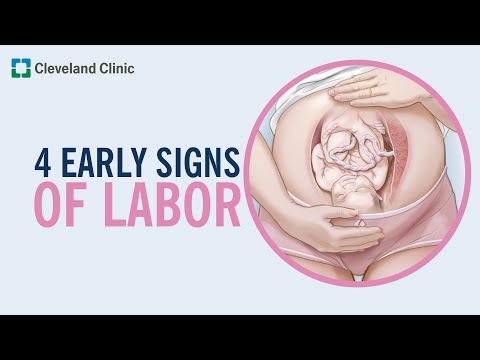
The Signs Labour is Near
As expectant mothers approach their due date, they often find themselves eagerly anticipating the arrival of their little one. One of the most common questions that pregnant women ask is, “How will I know when I’m going into labor?” While every woman’s experience is unique, there are several signs that can indicate that labour is near. In this article, we will explore some of the key indicators that suggest the onset of labour.
1. Lightening
Lightening refers to the sensation of the baby dropping lower into the pelvis as the due date approaches. This can result in increased pressure on the bladder, making frequent trips to the bathroom a common occurrence. Many women also notice a change in their breathing patterns as the baby moves down, allowing for easier breathing. Lightening is often a sign that labour is approaching, although it can vary from woman to woman.
2. Braxton Hicks Contractions
Braxton Hicks contractions, also known as “practice contractions,” are a common occurrence in the later stages of pregnancy. These contractions are typically irregular and do not increase in intensity or frequency. However, as labour approaches, Braxton Hicks contractions may become more frequent and intense, resembling true labour contractions. Paying attention to the pattern and intensity of contractions can help determine if labour is near.
3. Nesting Instinct
Many expectant mothers experience a sudden burst of energy and motivation to prepare for the arrival of their baby. This phenomenon, known as the nesting instinct, can manifest as a strong desire to clean, organize, and prepare the home for the new addition. While not all women experience this urge, it is a common sign that labour may be approaching.
4. Cervical Changes
As the body prepares for labour, the cervix undergoes changes in preparation for childbirth. These changes can include the thinning and dilation of the cervix, which are necessary for the baby to pass through the birth canal. During prenatal check-ups, healthcare providers may monitor these cervical changes to assess the progress towards labour.
5. Water Breaking
One of the most well-known signs of labour is the breaking of the amniotic sac, commonly referred to as “water breaking.” This can occur as a sudden gush of fluid or a slow trickle, indicating that labour is imminent. It is important to contact your healthcare provider if your water breaks, as it can increase the risk of infection if labour does not progress promptly.
Conclusion
As expectant mothers eagerly await the arrival of their baby, it is important to be aware of the signs that labour is near. From lightening and Braxton Hicks contractions to the nesting instinct and cervical changes, there are several indicators that can suggest the onset of labour. By paying attention to these signs and seeking guidance from healthcare providers, women can better prepare for the birthing process and ensure a smooth transition into motherhood.
