

-
Table of Contents
The Signs for Prostate Cancer
Prostate cancer is one of the most common types of cancer that affects men worldwide. It is crucial for men to be aware of the signs and symptoms of prostate cancer to ensure early detection and treatment. In this article, we will explore the key signs that may indicate the presence of prostate cancer.
Understanding Prostate Cancer
The prostate is a small gland located below the bladder and in front of the rectum in men. It plays a crucial role in the reproductive system by producing fluid that nourishes and protects sperm. Prostate cancer occurs when cells in the prostate gland grow uncontrollably, leading to the formation of a tumor.
Signs and Symptoms
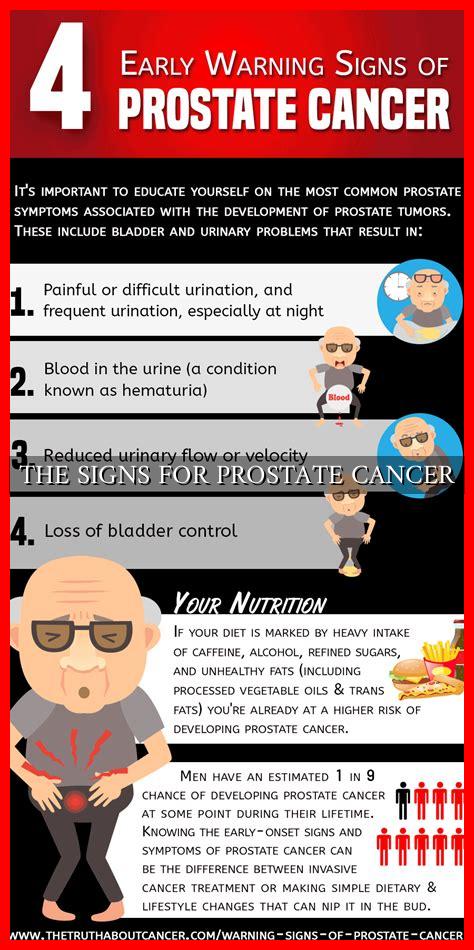
While early-stage prostate cancer may not cause any symptoms, as the cancer progresses, certain signs may become apparent.

. It is essential for men to be vigilant and seek medical attention if they experience any of the following symptoms:
- Difficulty urinating
- Frequent urination, especially at night
- Weakened or interrupted urine flow
- Pain or burning sensation during urination
- Blood in the urine or semen
- Persistent pain in the back, hips, or pelvis
Risk Factors
Several factors can increase the risk of developing prostate cancer, including age, family history, and race. Men over the age of 50 are more likely to develop prostate cancer, with the risk increasing with age. Additionally, having a family history of prostate cancer or being of African descent can also elevate the risk.
Diagnosis and Treatment
If you experience any of the symptoms mentioned above, it is crucial to consult a healthcare professional for further evaluation. The diagnosis of prostate cancer typically involves a combination of physical exams, blood tests, imaging tests, and a biopsy.
Treatment options for prostate cancer vary depending on the stage of the cancer and the individual’s overall health. Common treatment modalities include surgery, radiation therapy, hormone therapy, chemotherapy, and immunotherapy.
Prevention and Early Detection
While certain risk factors for prostate cancer, such as age and family history, cannot be modified, there are steps men can take to reduce their risk and promote early detection. Regular screenings, such as prostate-specific antigen (PSA) tests and digital rectal exams, can help detect prostate cancer at an early stage when treatment is most effective.
Additionally, maintaining a healthy lifestyle, including a balanced diet, regular exercise, and avoiding tobacco use, can contribute to overall prostate health and reduce the risk of developing prostate cancer.
Conclusion
Being aware of the signs and symptoms of prostate cancer is crucial for early detection and timely treatment. By understanding the risk factors, seeking regular screenings, and adopting a healthy lifestyle, men can take proactive steps to protect their prostate health. Remember, early detection saves lives.
For more information on prostate cancer signs and symptoms, visit the American Cancer Society website.
