-
Table of Contents
Solutions for Water Scarcity
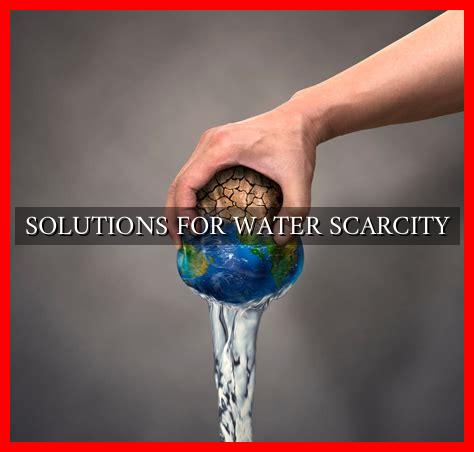
Water scarcity is a pressing global issue that affects millions of people around the world. With increasing population growth, urbanization, and climate change, the demand for water is steadily rising while the supply remains limited. In this article, we will explore some innovative solutions to address water scarcity and ensure sustainable access to clean water for all.
Investing in Water Infrastructure
One of the key solutions to water scarcity is investing in water infrastructure to improve water management and distribution. By upgrading aging water systems, implementing water recycling and reuse technologies, and building new reservoirs and pipelines, countries can better manage their water resources and ensure a reliable supply of clean water.
- Case Study: Singapore has successfully addressed water scarcity by investing in advanced water treatment technologies, such as reverse osmosis and NEWater, which recycle wastewater into high-quality drinking water.
- Statistics: According to the World Bank, investing $1 in water infrastructure can yield an economic return of $4.30 in increased productivity and reduced healthcare costs.
Promoting Water Conservation
Another effective solution to water scarcity is promoting water conservation practices among individuals, businesses, and industries. By reducing water waste, fixing leaks, using water-efficient appliances, and implementing water-saving technologies, we can significantly reduce water consumption and alleviate pressure on water resources.
- Example: The city of Cape Town, South Africa, successfully avoided “Day Zero” – the day when the city would run out of water – by implementing strict water restrictions, promoting water-saving behaviors, and investing in water-saving technologies.
- Statistics: According to the United Nations, if every person in the world used water more efficiently, global water demand could be reduced by 30%.
Harnessing Rainwater and Desalination
Harnessing rainwater and desalination are two innovative solutions to water scarcity that can help increase water supply in water-stressed regions.

. Rainwater harvesting involves collecting and storing rainwater for domestic and agricultural use, while desalination involves converting seawater into freshwater through a process of filtration and purification.
- Case Study: The city of Chennai, India, faced severe water scarcity in 2019 but managed to alleviate the crisis by implementing rainwater harvesting systems in homes and public buildings.
- Example: The United Arab Emirates has invested heavily in desalination plants to meet its water needs, with desalinated water accounting for over 90% of the country’s water supply.
Collaborating for Sustainable Water Management
Collaboration among governments, communities, businesses, and NGOs is essential for achieving sustainable water management and addressing water scarcity. By working together to develop water policies, share best practices, and invest in water projects, we can ensure equitable access to clean water for all and protect our precious water resources for future generations.
- Example: The 2030 Water Resources Group brings together governments, businesses, and civil society organizations to promote water sustainability and improve water management practices globally.
- Statistics: According to the World Economic Forum, water scarcity is one of the top global risks in terms of impact and likelihood, highlighting the urgent need for collaborative action.
Conclusion
In conclusion, water scarcity is a complex and multifaceted challenge that requires a combination of innovative solutions and collaborative efforts to address effectively. By investing in water infrastructure, promoting water conservation, harnessing rainwater and desalination, and collaborating for sustainable water management, we can ensure a sustainable and secure water future for all. It is crucial that governments, businesses, and individuals take action now to protect our most precious resource – water.