-
Table of Contents
Solutions for Fossil Fuels
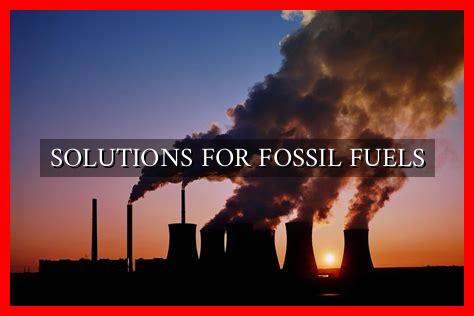
Fossil fuels have long been the primary source of energy for the world, powering industries, transportation, and homes. However, the burning of fossil fuels releases harmful greenhouse gases into the atmosphere, contributing to climate change and air pollution. As the world grapples with the urgent need to transition to cleaner and more sustainable energy sources, various solutions have emerged to reduce our reliance on fossil fuels. In this article, we will explore some of the most promising solutions for fossil fuels.
Renewable Energy Sources
One of the most effective solutions for reducing our dependence on fossil fuels is to transition to renewable energy sources such as solar, wind, and hydropower. These sources of energy are abundant, clean, and sustainable, making them ideal alternatives to fossil fuels.
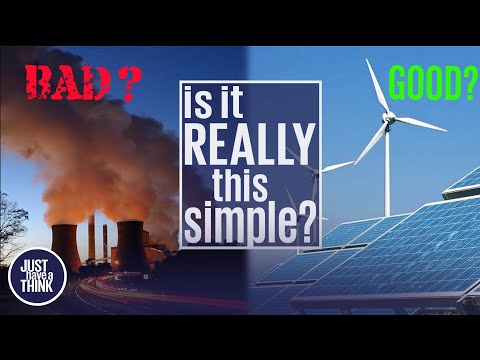
. According to the International Energy Agency, renewable energy sources accounted for 26.2% of global electricity generation in 2018, and this number is expected to continue to rise in the coming years.
- Solar Energy: Solar panels convert sunlight into electricity, providing a clean and renewable source of power. Countries like Germany and China have made significant investments in solar energy, leading to a rapid expansion of solar capacity.
- Wind Energy: Wind turbines harness the power of the wind to generate electricity. Wind energy is one of the fastest-growing renewable energy sources, with countries like Denmark and the United States leading the way in wind power generation.
- Hydropower: Hydropower plants use the energy of flowing water to generate electricity. Countries like Norway and Brazil rely heavily on hydropower for their energy needs.
Energy Efficiency
Another key solution for reducing our reliance on fossil fuels is to improve energy efficiency in buildings, transportation, and industries. By using energy more efficiently, we can reduce the amount of energy we consume and lower our carbon footprint. According to the International Energy Agency, energy efficiency measures could deliver 40% of the emissions reductions needed to meet the goals of the Paris Agreement.
- Building Retrofits: Retrofitting buildings with energy-efficient technologies such as insulation, LED lighting, and smart thermostats can significantly reduce energy consumption and lower heating and cooling costs.
- Electric Vehicles: Electric vehicles (EVs) are an environmentally friendly alternative to traditional gasoline-powered cars. As EV technology continues to improve and charging infrastructure expands, more people are making the switch to electric vehicles.
- Industrial Efficiency: Industries can reduce their energy consumption by implementing energy-saving technologies, optimizing processes, and improving waste heat recovery.
Carbon Capture and Storage
Carbon capture and storage (CCS) is a technology that captures carbon dioxide emissions from power plants and industrial facilities and stores them underground. CCS can help reduce greenhouse gas emissions from fossil fuel combustion and mitigate climate change. According to the Global CCS Institute, there are currently 26 large-scale CCS facilities in operation or under construction worldwide.
- Enhanced Oil Recovery: Some CCS projects use captured carbon dioxide to enhance oil recovery from depleted oil fields, providing an additional revenue stream while reducing emissions.
- Direct Air Capture: Direct air capture technologies remove carbon dioxide directly from the atmosphere, offering a potential solution for reducing emissions from hard-to-abate sectors.
Conclusion
As the world faces the urgent need to reduce greenhouse gas emissions and transition to cleaner energy sources, solutions for fossil fuels are more important than ever. By investing in renewable energy sources, improving energy efficiency, and deploying carbon capture and storage technologies, we can make significant strides towards a more sustainable future. It is crucial for governments, businesses, and individuals to work together to accelerate the transition away from fossil fuels and towards a cleaner, greener energy system.
For more information on solutions for fossil fuels, visit International Energy Agency – Renewable Energy.