-
Table of Contents
Social Determinants of Health: Understanding the Impact on Well-being
Health is influenced by a myriad of factors beyond genetics and access to healthcare. Social determinants of health play a crucial role in shaping an individual’s well-being and overall quality of life. These determinants encompass various social, economic, and environmental factors that can either promote or hinder health outcomes. Understanding the impact of social determinants is essential for addressing health disparities and promoting health equity.
What are Social Determinants of Health?
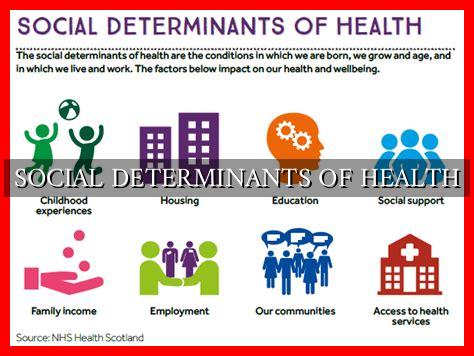
Social determinants of health refer to the conditions in which people are born, grow, live, work, and age. These factors include:
- Income and social status
- Education
- Employment and working conditions
- Access to healthcare
- Social support networks
- Physical environment
- Genetics
These determinants interact with each other and can have a cumulative effect on an individual’s health outcomes.
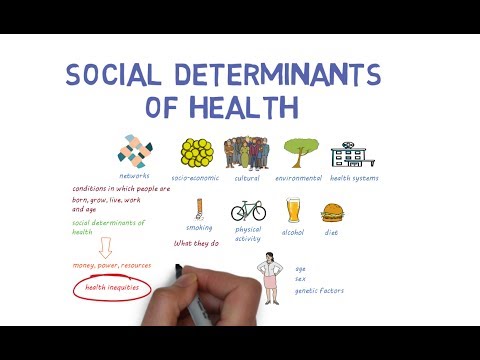
. For example, individuals with lower income levels may face barriers to accessing quality healthcare, nutritious food, and safe housing, leading to poorer health outcomes.
The Impact of Social Determinants on Health
Research has shown that social determinants of health significantly influence various health outcomes, including:
- Life expectancy
- Chronic disease prevalence
- Mental health
- Maternal and child health
- Health behaviors
For instance, individuals living in poverty are more likely to experience higher rates of chronic diseases such as diabetes and heart disease due to limited access to healthy food options and healthcare services. Similarly, individuals with lower levels of education may face challenges in understanding and navigating the healthcare system, leading to delayed diagnosis and treatment.
Addressing Health Disparities through Social Determinants
Recognizing the impact of social determinants of health is crucial for developing effective strategies to address health disparities and promote health equity. By addressing the root causes of health inequities, policymakers, healthcare providers, and community organizations can work towards creating a more equitable healthcare system.
One example of a successful intervention targeting social determinants of health is the Nurse-Family Partnership program. This program provides home visits by registered nurses to low-income, first-time mothers to improve maternal and child health outcomes. Research has shown that participants in the program have lower rates of preterm birth and child abuse, highlighting the importance of addressing social determinants to improve health outcomes.
Conclusion
Social determinants of health play a significant role in shaping an individual’s health outcomes and overall well-being. By addressing factors such as income, education, and access to healthcare, we can work towards reducing health disparities and promoting health equity. It is essential for policymakers, healthcare providers, and communities to collaborate and implement strategies that address the root causes of health inequities. By prioritizing social determinants of health, we can create a healthier and more equitable society for all.
For more information on social determinants of health, visit the Centers for Disease Control and Prevention website.