-
Table of Contents
Problems with Nuclear Energy
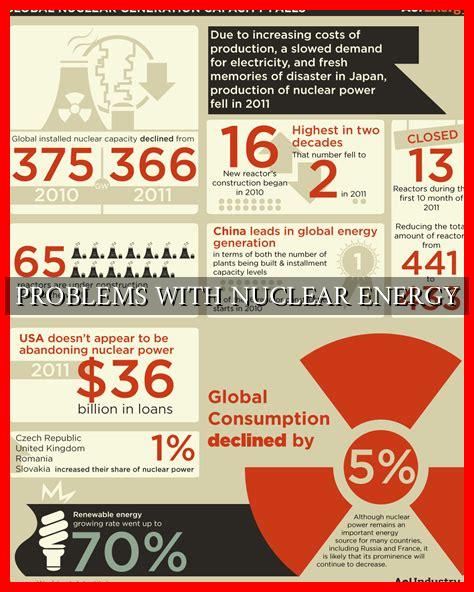
Nuclear energy has long been touted as a clean and efficient alternative to fossil fuels. However, despite its benefits, there are several significant problems associated with nuclear energy that cannot be ignored. From safety concerns to environmental impacts, the drawbacks of nuclear power must be carefully considered when evaluating its role in our energy future.
Safety Concerns
One of the most pressing issues with nuclear energy is safety. The potential for catastrophic accidents, such as the Chernobyl disaster in 1986 and the Fukushima Daiichi meltdown in 2011, highlight the inherent risks associated with nuclear power plants. These accidents not only result in loss of life and environmental damage but also have long-lasting health effects on surrounding communities.
Waste Management
Another major problem with nuclear energy is the issue of radioactive waste disposal.

. Nuclear power plants produce large quantities of radioactive waste that remain hazardous for thousands of years. The lack of a long-term solution for storing and disposing of this waste poses a significant environmental and public health risk.
Cost and Economics
Nuclear power plants are expensive to build and maintain, making them economically unfeasible in many cases. The high upfront costs, coupled with the long lead times for construction, can deter investors and governments from pursuing nuclear energy projects. Additionally, the costs associated with decommissioning old nuclear plants and managing radioactive waste further add to the financial burden of nuclear energy.
Environmental Impact
While nuclear energy is often touted as a clean alternative to fossil fuels, it is not without its environmental impact. The mining and processing of uranium ore, as well as the construction and operation of nuclear power plants, contribute to greenhouse gas emissions and other pollutants. Additionally, the risk of accidents and the long-term storage of radioactive waste pose significant environmental risks.
Public Perception and Acceptance
Public perception of nuclear energy plays a significant role in its acceptance and adoption. The fear of accidents, concerns about radioactive waste, and distrust of the nuclear industry have led to widespread opposition to nuclear power in many countries. Overcoming these public perceptions and building trust in the safety and reliability of nuclear energy is a major challenge for the industry.
Conclusion
While nuclear energy has the potential to provide a reliable and low-carbon source of power, the problems associated with it cannot be overlooked. Safety concerns, waste management issues, high costs, environmental impacts, and public perception all pose significant challenges to the widespread adoption of nuclear energy. As we strive to transition to a more sustainable energy future, it is essential to carefully consider these drawbacks and explore alternative energy sources that can address our energy needs without compromising safety and environmental integrity.