-
Table of Contents
Problems with Mental Health
Mental health is a crucial aspect of overall well-being, yet it is often overlooked or stigmatized in society. The World Health Organization defines mental health as a state of well-being in which an individual realizes their own abilities, can cope with the normal stresses of life, can work productively, and is able to make a contribution to their community. However, many individuals struggle with various mental health issues that can significantly impact their daily lives.
Types of Mental Health Problems
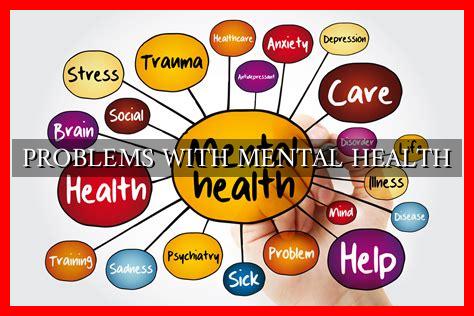
There are various types of mental health problems that individuals may experience, including:
- Anxiety disorders
- Depression
- Bipolar disorder
- Schizophrenia
- Post-traumatic stress disorder (PTSD)
These conditions can manifest in different ways and may require different forms of treatment and support. It is essential to recognize the signs and symptoms of mental health problems to seek help and support when needed.
Factors Contributing to Mental Health Problems
There are various factors that can contribute to the development of mental health problems, including:
- Genetic predisposition
- Environmental factors
- Traumatic experiences
- Stressful life events
- Substance abuse
It is essential to address these factors and provide appropriate interventions to prevent or manage mental health problems effectively.
Impact of Mental Health Problems
Mental health problems can have a significant impact on an individual’s life, affecting their relationships, work, and overall quality of life. According to the National Institute of Mental Health, mental illnesses are the leading cause of disability in the United States and Canada for individuals aged 15-44.
Furthermore, mental health problems can also lead to physical health issues, such as cardiovascular disease, diabetes, and obesity.
. It is crucial to address mental health problems promptly to prevent further complications and improve overall well-being.
Stigma Surrounding Mental Health
Despite the prevalence of mental health problems, there is still a significant stigma surrounding mental illness in society. Many individuals may feel ashamed or embarrassed to seek help for their mental health issues due to fear of judgment or discrimination.
It is essential to raise awareness about mental health and reduce the stigma associated with mental illness to encourage individuals to seek help and support without fear of negative repercussions.
Conclusion
In conclusion, mental health problems are a significant issue that affects individuals worldwide. It is essential to recognize the signs and symptoms of mental health problems, address contributing factors, and provide appropriate support and interventions to improve overall well-being.
By raising awareness about mental health, reducing stigma, and promoting access to mental health services, we can create a more supportive and inclusive society for individuals struggling with mental health problems.