-
Table of Contents
Understanding Land Tax in the United States
Land tax, often referred to as property tax, is a significant source of revenue for local governments in the United States. It is levied on real estate properties and is typically based on the assessed value of the land and any improvements made to it. This article delves into the intricacies of land tax in the U.S., exploring its implications, variations across states, and its impact on property owners and the economy.
The Basics of Land Tax
Land tax is primarily used to fund essential public services such as education, infrastructure, and emergency services. The tax is usually calculated as a percentage of the property’s assessed value, which is determined by local tax assessors. Here are some key points to understand about land tax:
- Assessment Process: Local governments assess property values periodically, which can vary based on market conditions.
- Tax Rates: Tax rates differ significantly from one jurisdiction to another, influenced by local budgetary needs.
- Exemptions and Deductions: Many states offer exemptions for certain groups, such as veterans, seniors, or low-income families.
Variations Across States
The structure and rates of land tax can vary widely across the United States.
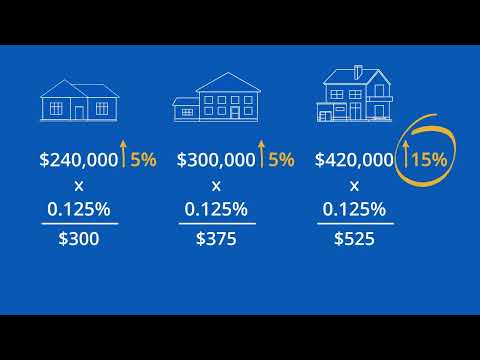
. Some states have a higher reliance on property taxes, while others may utilize alternative revenue sources. Here are a few examples:
- New Jersey: Known for having one of the highest property tax rates in the nation, New Jersey’s average effective property tax rate is approximately 2.21%.
- Texas: Texas does not have a state income tax, which leads to a heavier reliance on property taxes, with an average rate of around 1.69%.
- California: Under Proposition 13, property taxes are capped at 1% of the assessed value, with limited increases based on inflation.
The Economic Impact of Land Tax
Land tax plays a crucial role in shaping local economies. It can influence property values, development decisions, and even the demographic composition of communities. Here are some economic implications:
- Property Values: High property taxes can deter potential buyers, leading to lower property values in high-tax areas.
- Investment Decisions: Developers may choose to invest in areas with lower property tax rates, impacting urban development patterns.
- Public Services: Adequate funding from land taxes is essential for maintaining public services, which in turn affects the quality of life in communities.
Case Studies: Land Tax in Action
To illustrate the impact of land tax, consider the following case studies:
- Detroit, Michigan: Following the economic downturn in the late 2000s, Detroit faced significant challenges with property tax revenue. The city implemented tax relief programs to help struggling homeowners, which ultimately aimed to stabilize the housing market.
- Seattle, Washington: Seattle has seen rapid growth and rising property values, leading to increased property tax revenues. However, this has also raised concerns about affordability and displacement of long-term residents.
Future Trends in Land Taxation
As the U.S. economy evolves, so too does the landscape of land taxation. Some emerging trends include:
- Tax Reform Discussions: There is ongoing debate about reforming property tax systems to make them more equitable and efficient.
- Technology in Assessment: Advances in technology are improving the accuracy of property assessments, potentially leading to fairer tax rates.
- Environmental Considerations: Some jurisdictions are exploring land taxes as a tool for promoting sustainable land use and addressing climate change.
Conclusion
Land tax is a vital component of the fiscal landscape in the United States, influencing everything from local government funding to property values and community development. Understanding its complexities and variations across states is essential for property owners and policymakers alike. As discussions around tax reform and sustainability continue, the future of land taxation will likely evolve, reflecting the changing needs and priorities of American society.
For more information on property taxes and their implications, you can visit the Tax Policy Center.