

-
Table of Contents
Is Your Job Safe from Technological Disruption?
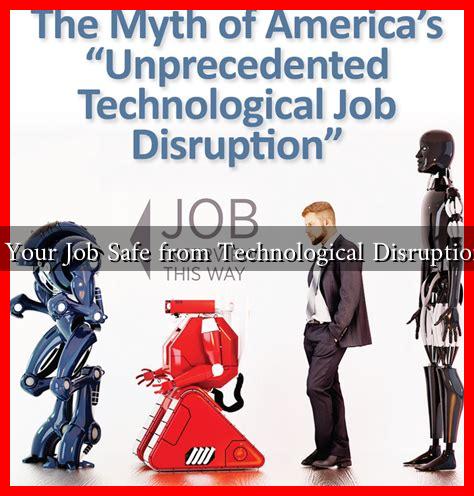
In an era defined by rapid technological advancement, the question of job security looms large. With automation, artificial intelligence (AI), and machine learning reshaping industries, many workers are left wondering: “Is my job safe?” This article delves into the impact of technological disruption on various sectors, examines which jobs are most at risk, and offers insights on how to future-proof your career.
The Landscape of Technological Disruption
Technological disruption refers to the transformation that occurs when new technologies significantly alter the way industries operate. This phenomenon is not new; however, the pace at which it is occurring today is unprecedented. According to a report by McKinsey, up to 800 million jobs worldwide could be displaced by automation by 2030. This staggering statistic highlights the urgency for workers to assess their job security in light of these changes.
Jobs at High Risk of Disruption
While some jobs are more susceptible to automation than others, the following categories are particularly vulnerable:
- Manufacturing and Assembly Line Jobs: Routine tasks in manufacturing are increasingly being performed by robots. For instance, companies like Tesla and Amazon have integrated robotics into their production lines, reducing the need for human labor.
- Administrative Roles: Jobs that involve repetitive tasks, such as data entry and scheduling, are being automated through software solutions. Tools like Microsoft Power Automate and AI-driven chatbots are streamlining these processes.
- Retail Positions: The rise of e-commerce and self-checkout systems has led to a decline in traditional retail jobs. According to the U.S. Bureau of Labor Statistics, employment in retail is projected to decline by 2% from 2019 to 2029.
- Transportation and Delivery: With the advent of autonomous vehicles, jobs in trucking and delivery services face significant threats. Companies like Waymo and Uber are investing heavily in self-driving technology.
Jobs with Resilience Against Disruption
Not all jobs are equally at risk. Certain roles are more resilient due to their reliance on human skills that are difficult to automate:
- Healthcare Professionals: Doctors, nurses, and therapists require empathy, critical thinking, and complex decision-making skills that machines cannot replicate.
- Creative Roles: Jobs in the arts, design, and content creation rely on human creativity and emotional intelligence, making them less susceptible to automation.
- Skilled Trades: Electricians, plumbers, and carpenters perform hands-on tasks that require adaptability and problem-solving skills, which are challenging for robots to master.
- Education Professionals: Teachers and educators play a crucial role in shaping minds and fostering social skills, areas where technology can assist but not replace human interaction.
Future-Proofing Your Career
To safeguard your job from technological disruption, consider the following strategies:
- Continuous Learning: Embrace lifelong learning by acquiring new skills relevant to your industry. Online platforms like Coursera and Udemy offer courses in emerging technologies.
- Adaptability: Cultivate a mindset that embraces change. Being open to new roles and responsibilities can make you more valuable to employers.
- Networking: Build a strong professional network. Engaging with industry peers can provide insights into trends and opportunities.
- Emphasize Soft Skills: Develop skills such as communication, teamwork, and emotional intelligence, which are increasingly valued in the workplace.
Conclusion
The threat of technological disruption is real, but it does not spell doom for every job. By understanding which roles are at risk and taking proactive steps to enhance your skills and adaptability, you can position yourself for success in an evolving job market. As we move forward, the ability to learn, adapt, and innovate will be the key to job security in the face of technological change. For more insights on future job trends, visit World Economic Forum.
