

-
Table of Contents
Is There a Connection Between Pleasure and Sexual Orientation?
The relationship between pleasure and sexual orientation is a complex and multifaceted topic that has garnered significant attention in both scientific research and popular discourse. Understanding how sexual orientation influences pleasure can provide insights into human sexuality, emotional well-being, and social dynamics. This article explores the connections between pleasure and sexual orientation, examining psychological, biological, and sociocultural factors that contribute to this intricate relationship.
The Nature of Pleasure
Pleasure is a fundamental aspect of human experience, encompassing a range of sensations and emotions. It can be categorized into various types, including:
- Physical Pleasure: This includes sensations derived from touch, taste, and other sensory experiences.
- Emotional Pleasure: This refers to feelings of joy, love, and connection with others.
- Intellectual Pleasure: Engaging in stimulating conversations or activities that challenge the mind.
In the context of sexual orientation, pleasure often intersects with sexual experiences, intimacy, and personal identity. Understanding how these elements interact can shed light on the broader implications of sexual orientation on pleasure.
Sexual Orientation and Its Dimensions
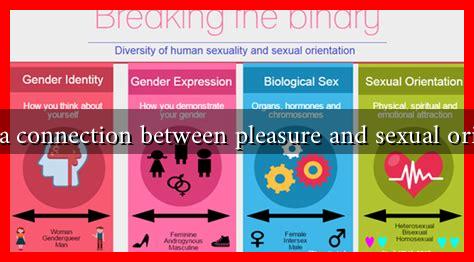
Sexual orientation is typically understood as an enduring pattern of emotional, romantic, or sexual attraction to individuals of the same or different genders. It encompasses a spectrum that includes heterosexuality, homosexuality, bisexuality, and other identities. Each orientation can influence how individuals experience pleasure in various ways:
- Heterosexuality: Often associated with traditional norms, heterosexual pleasure may be influenced by societal expectations and gender roles.
- Homosexuality: Same-sex attraction can lead to unique experiences of pleasure, often shaped by the need for acceptance and understanding within a broader societal context.
- Bisexuality: Individuals may experience pleasure from a wider range of partners, potentially leading to diverse sexual experiences.
Psychological Factors Influencing Pleasure
Research indicates that psychological factors play a significant role in how pleasure is experienced across different sexual orientations. For instance, studies have shown that individuals who identify as LGBTQ+ may experience higher levels of anxiety and depression due to societal stigma, which can impact their ability to experience pleasure fully. A study published in the Journal of Sex Research found that LGBTQ+ individuals often report lower levels of sexual satisfaction compared to their heterosexual counterparts, primarily due to external stressors.
Biological Perspectives on Pleasure
From a biological standpoint, pleasure is closely linked to the brain’s reward system, which is influenced by hormones and neurotransmitters such as dopamine and oxytocin. Research suggests that sexual orientation may affect the neurobiological pathways associated with pleasure. For example:
- Dopamine Release: Studies indicate that sexual arousal and orgasm trigger dopamine release, which can vary based on sexual orientation and individual experiences.
- Oxytocin Levels: Often referred to as the “love hormone,” oxytocin is released during intimate moments and can enhance feelings of pleasure and bonding.
Sociocultural Influences on Pleasure
The sociocultural environment significantly shapes how pleasure is perceived and experienced across different sexual orientations. Factors such as cultural norms, religious beliefs, and societal acceptance can either enhance or inhibit pleasure. For instance:
- Acceptance and Support: LGBTQ+ individuals in supportive environments often report higher levels of sexual satisfaction and overall well-being.
- Stigmatization: Conversely, those facing discrimination may experience diminished pleasure due to internalized stigma and fear of rejection.
Conclusion
In conclusion, the connection between pleasure and sexual orientation is a nuanced interplay of psychological, biological, and sociocultural factors. While sexual orientation can influence how individuals experience pleasure, it is essential to recognize the broader context in which these experiences occur. Understanding these dynamics can foster greater empathy and support for individuals across the sexual orientation spectrum, ultimately promoting healthier and more fulfilling sexual experiences. As society continues to evolve in its understanding of sexual diversity, the importance of creating inclusive environments that celebrate all forms of love and pleasure cannot be overstated.
