

-
Table of Contents
- Is Minimalism Leading Us to More Natural Interiors?
- The Essence of Minimalism
- Natural Interiors: A Growing Trend
- Key Features of Natural Interiors
- The Synergy Between Minimalism and Natural Interiors
- Case Studies: Minimalism and Natural Interiors in Action
- Statistics Supporting the Shift
- Conclusion: Embracing Minimalism for a Natural Future
Is Minimalism Leading Us to More Natural Interiors?
In recent years, minimalism has emerged as a significant trend in interior design, influencing how we think about our living spaces. This design philosophy, characterized by simplicity, functionality, and a focus on essential elements, is not just about decluttering; it also encourages a deeper connection with nature. As we explore the intersection of minimalism and natural interiors, we will uncover how this movement is reshaping our homes and our relationship with the environment.
The Essence of Minimalism
Minimalism is rooted in the idea of “less is more.” It advocates for a lifestyle that prioritizes quality over quantity, encouraging individuals to eliminate excess and focus on what truly matters. This philosophy extends beyond aesthetics; it promotes mental clarity and emotional well-being. According to a study published in the Journal of Environmental Psychology, individuals living in minimalist environments report lower stress levels and higher satisfaction with their living spaces.
Natural Interiors: A Growing Trend
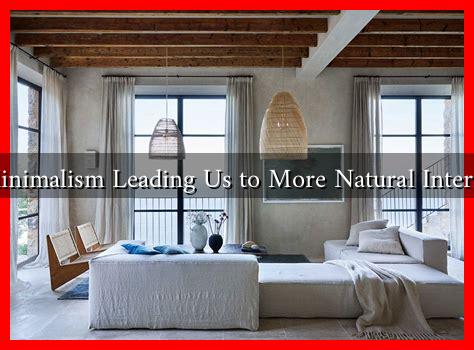
As minimalism gains traction, so does the trend of incorporating natural elements into interior design. Natural interiors emphasize the use of organic materials, earthy colors, and biophilic design principles, which aim to connect occupants with nature. This approach not only enhances the aesthetic appeal of a space but also contributes to a healthier living environment.
Key Features of Natural Interiors
- Use of Natural Materials: Wood, stone, and natural fibers are commonly used in natural interiors, creating a warm and inviting atmosphere.
- Earthy Color Palettes: Soft, muted colors inspired by nature, such as greens, browns, and blues, dominate the design scheme.
- Biophilic Design: Incorporating plants and natural light into interiors fosters a connection with the outdoors.
- Sustainable Practices: Many natural interiors prioritize eco-friendly materials and energy-efficient designs.
The Synergy Between Minimalism and Natural Interiors
The principles of minimalism and natural interiors complement each other beautifully. Minimalism encourages a decluttered space, allowing the beauty of natural materials to shine through. Here are some ways in which minimalism is leading us to more natural interiors:
- Focus on Quality: Minimalism promotes investing in high-quality, sustainable materials that enhance the natural beauty of a space.
- Emphasis on Functionality: Minimalist design prioritizes functional furniture and decor, often leading to the selection of pieces that are both aesthetically pleasing and environmentally friendly.
- Connection to Nature: By reducing visual clutter, minimalist spaces allow for a greater appreciation of natural elements, such as wood grain or stone textures.
Case Studies: Minimalism and Natural Interiors in Action
Several designers and architects have embraced the synergy between minimalism and natural interiors, creating stunning spaces that reflect this philosophy. One notable example is the work of Japanese architect Tadao Ando, whose designs often feature concrete, wood, and glass, seamlessly blending indoor and outdoor environments. His minimalist approach allows natural light to flood the space, creating a serene atmosphere that encourages mindfulness.
Another example is the rise of tiny homes, which embody minimalist principles while often incorporating natural materials and sustainable practices. According to the Tiny House Association, the tiny house movement has grown by 20% annually, reflecting a shift towards simpler living that prioritizes environmental consciousness.
Statistics Supporting the Shift
Research indicates that the trend towards minimalism and natural interiors is not just a passing fad. A survey conducted by the American Institute of Architects found that 62% of homeowners are interested in incorporating sustainable materials into their homes. Furthermore, a report by Grand View Research predicts that the global green building materials market will reach $1 trillion by 2027, highlighting the increasing demand for eco-friendly design.
Conclusion: Embracing Minimalism for a Natural Future
As we navigate the complexities of modern living, minimalism offers a pathway to more intentional and meaningful spaces. By embracing natural interiors, we can create environments that not only reflect our values but also promote well-being and sustainability. The synergy between minimalism and natural design is a testament to our evolving relationship with our surroundings, encouraging us to appreciate the beauty of simplicity and the importance of nature in our lives.
In summary, minimalism is indeed leading us to more natural interiors, fostering a deeper connection with the environment while enhancing our quality of life. As we continue to prioritize simplicity and sustainability, our homes can become sanctuaries that reflect our commitment to both personal well-being and the health of our planet.
For more insights on minimalism and natural interiors, visit Architectural Digest.
