

-
Table of Contents
Is Cetirizine Safe for Children?
Cetirizine, commonly known by its brand name Zyrtec, is an antihistamine used to relieve allergy symptoms such as runny nose, sneezing, and itchy eyes. While it is widely used among adults, many parents wonder about its safety and efficacy for children. This article delves into the safety profile of cetirizine for pediatric use, examining dosage guidelines, potential side effects, and expert recommendations.
Understanding Cetirizine
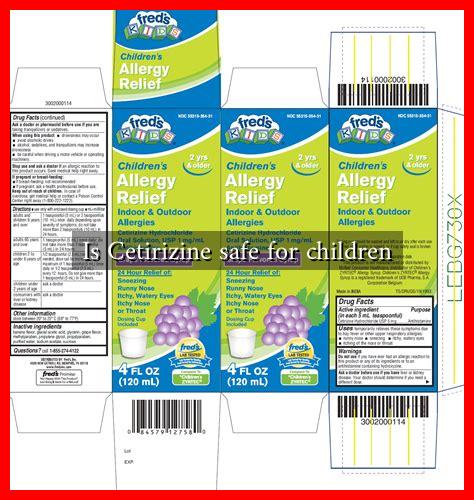
Cetirizine is a second-generation antihistamine that works by blocking the action of histamine, a substance in the body that causes allergic symptoms. It is often preferred over first-generation antihistamines due to its lower sedative effects. Cetirizine is available in various forms, including tablets, chewable tablets, and liquid formulations, making it accessible for children of different ages.
Recommended Dosage for Children
The appropriate dosage of cetirizine for children varies based on their age and weight. According to the American Academy of Pediatrics, the following guidelines are generally recommended:
- Children aged 2 to 5 years: 2.5 mg once daily, which can be increased to 5 mg if necessary.
- Children aged 6 to 11 years: 5 mg once daily, with a maximum of 10 mg.
- Children aged 12 years and older: 10 mg once daily.
It is crucial for parents to consult with a pediatrician before administering cetirizine to ensure the correct dosage and to discuss any potential interactions with other medications.
Potential Side Effects
While cetirizine is generally considered safe for children, it is not without potential side effects. Common side effects include:
- Drowsiness
- Dry mouth
- Dizziness
- Fatigue
In rare cases, more severe side effects may occur, such as allergic reactions, rapid heartbeat, or difficulty breathing. Parents should monitor their children for any unusual symptoms after administering cetirizine and seek medical attention if necessary.
Case Studies and Research Findings
Numerous studies have evaluated the safety and efficacy of cetirizine in children. A study published in the Journal of Allergy and Clinical Immunology found that cetirizine significantly reduced allergy symptoms in children aged 6 to 12 years without causing significant sedation. Another study indicated that cetirizine was effective in treating allergic rhinitis in children, with a favorable safety profile.
However, it is essential to note that individual responses to medication can vary. Some children may experience more pronounced side effects, particularly drowsiness, which can impact their daily activities, including school performance.
Expert Recommendations
Healthcare professionals generally agree that cetirizine can be safely used in children when prescribed appropriately. The American Academy of Pediatrics recommends that parents:
- Consult with a pediatrician before starting any new medication.
- Monitor their child for side effects, especially during the first few doses.
- Use the lowest effective dose for the shortest duration necessary.
Additionally, parents should be cautious about using cetirizine in combination with other medications, particularly those that may also cause sedation.
Conclusion
In summary, cetirizine is generally safe for children when used according to recommended guidelines. Its effectiveness in alleviating allergy symptoms makes it a popular choice among parents and healthcare providers. However, as with any medication, it is essential to consult with a healthcare professional to ensure its appropriateness for your child. By understanding the proper dosage, potential side effects, and expert recommendations, parents can make informed decisions about using cetirizine for their children’s allergy relief.
